Yes, in many parts of the United States, your neighbor can legally have a security camera that captures part of your property, especially areas that are visible from a public place. However, the answer can change when the camera is deliberately aimed into a private area such as a bedroom, bathroom, or screened backyard. State and local laws matter.
For homeowners in the United States, discovering a neighbor’s security camera pointed toward your property can raise an uncomfortable privacy question: can my neighbor point a camera at my house? There is no single nationwide rule that makes every camera facing a neighboring property illegal or legal. The circumstances matter, including what the camera can see, where it is installed, whether the area is normally exposed to public view, and the applicable state or local law.
A camera that incidentally captures your front yard or driveway may be treated very differently from one deliberately positioned to look over a privacy fence or through a bedroom window. U.S. privacy law commonly focuses on whether you had a reasonable expectation of privacy and whether the intrusion would be considered offensive or unreasonable. Because privacy and surveillance rules vary by jurisdiction, this guide provides general U.S. information rather than legal advice for a specific state.
Source: i.pinimg.com
Can My Neighbor Legally Point a Camera at My House?
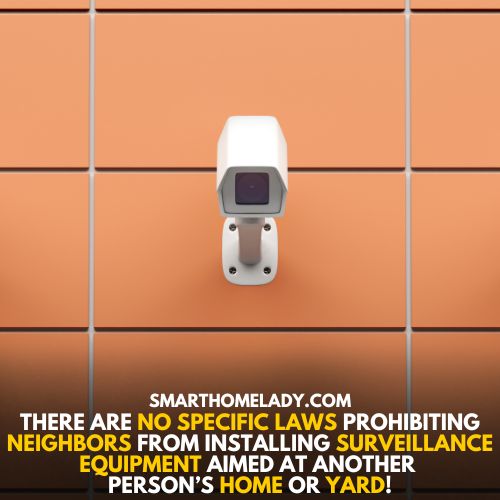
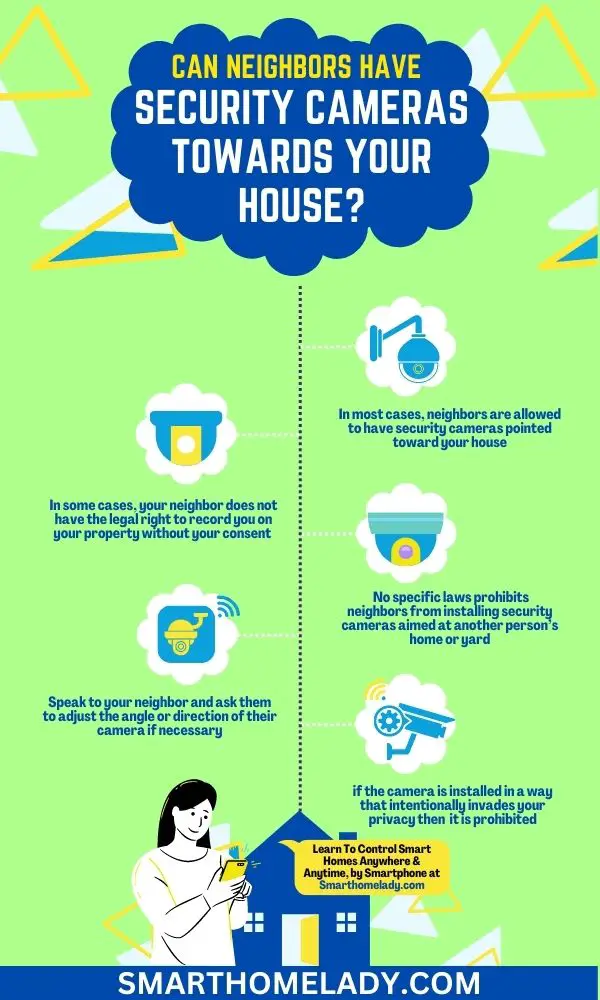
Usually, the answer is not automatically no. A homeowner generally has a legitimate reason to use security cameras on their own property, and a camera may capture areas beyond the property line. The key question is often what the camera is actually recording and whether the recording intrudes on a legally protected private space.
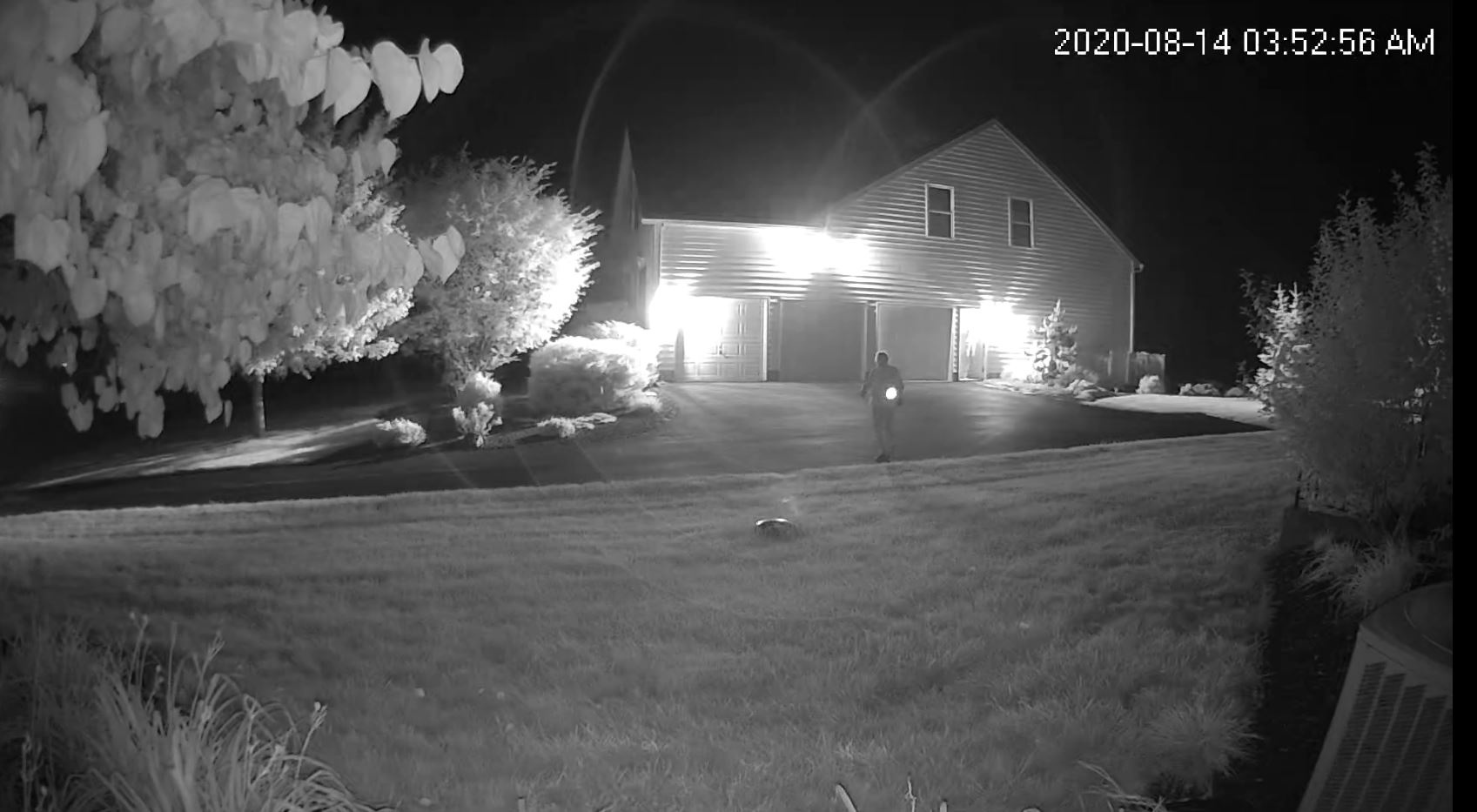
For example, suppose your neighbor installs a doorbell or outdoor camera near their driveway. Because your front yard, sidewalk, driveway, or portions of your house may be visible from the street or other ordinary viewpoints, some incidental recording of those areas may not create a strong privacy claim.
The situation can be substantially different if the camera is positioned specifically to observe an area that you have taken reasonable steps to keep private. A camera deliberately aimed into a bedroom window or over a tall privacy fence into a secluded backyard raises a more significant privacy concern.
Source: i.ytimg.com
Publicly visible areas
A front yard, driveway, porch, or other area visible from a public location generally presents a weaker privacy claim than a secluded area.
Private areas
A bedroom, bathroom, enclosed patio, or secluded backyard may involve a stronger expectation of privacy depending on the circumstances and jurisdiction.
Camera purpose
A camera installed for legitimate security may be viewed differently from equipment deliberately positioned to monitor a neighbor’s private activities.
Why the Camera’s Field of View Matters
The physical location of the camera is only part of the issue. Its field of view matters because a camera mounted on a neighbor’s property may incidentally record an area that is visible to others, while a different mounting position could intentionally expose a private area that would otherwise be difficult to see.
Courts evaluating privacy disputes may consider factors such as whether the area was shielded from observation, how the camera was positioned, and whether the alleged intrusion was intentional and unreasonable.
Ordinary sightlines
If an area can be seen from a street, sidewalk, or another ordinary viewpoint without unusual equipment or trespass, privacy protections may be weaker.
Privacy barriers
Fences, walls, landscaping, curtains, and other measures can be relevant when determining whether a person reasonably expected an area to remain private.
When Does a Neighbor’s Camera Become a Privacy Problem?
A neighbor’s camera becomes more legally concerning when it appears intentionally designed to observe private activities rather than simply protect the neighbor’s property. There is no universal bright-line rule across the United States, so the exact threshold depends on the facts and the law where you live.
A particularly important distinction is between seeing an area and deliberately surveilling it. Someone standing on a public sidewalk may be able to see part of a front yard, but that does not necessarily mean a neighbor can install equipment specifically designed to monitor a secluded portion of your property continuously without legal consequences.
Privacy disputes can also become more serious when the camera records inside your home. If a camera can clearly see through a bedroom or bathroom window, the circumstances are substantially different from a camera that merely captures a small portion of an exterior wall.
Source: safehome.org
Bedroom or bathroom window
A camera intentionally aimed into a highly private interior space can create a much stronger privacy concern than ordinary exterior surveillance.
Over a privacy fence
A camera deliberately positioned to see over a privacy fence into a secluded backyard may raise intrusion-upon-seclusion concerns in some jurisdictions.
Intentional surveillance
Evidence that the camera is specifically being used to monitor you or your private activities can make the dispute more serious.
Audio recording
Audio can introduce separate legal issues because state and federal laws governing intercepted communications may apply differently from ordinary video surveillance.
A Camera Seeing Your House Is Not the Same as Seeing Inside Your House
This distinction is easy to overlook. A camera can point generally toward your house while primarily recording a driveway, street, property boundary, or the neighbor’s own yard. That is different from a camera whose useful viewing angle is directed through your windows or into a secluded part of your property.
If you believe the camera is seeing inside your home, document exactly what can be observed from the camera’s apparent position rather than relying only on the direction the lens appears to face.
Exterior view
Capturing an exterior wall or publicly visible portion of a home may not by itself establish a privacy violation.
Interior view
Capturing private indoor activities is substantially more sensitive and may trigger stronger privacy protections.
What Factors Determine Whether the Camera Is Legal?
There is no single factor that answers every neighbor-camera dispute. The strongest analysis looks at the entire situation: where the camera is located, what it records, how visible the target area is, what privacy measures exist, why the camera was installed, and which state or local laws apply.
Privacy law often turns on the concept of a reasonable expectation of privacy. An area that is openly visible from a public street generally presents a different situation from an enclosed space that a homeowner has deliberately shielded from outside observation.
Source: familyhandyman.com
Location of the camera
The camera generally needs to remain on the neighbor’s property or another location where the owner has a legal right to install it.
What the camera captures
The content and scope of the recording matter more than the simple fact that the camera points in your general direction.
Visibility of the area
An area visible from ordinary public viewpoints may receive less privacy protection than a secluded space.
Privacy measures
Fences, walls, curtains, and other efforts to shield an area can support an argument that the space was intended to remain private.
Intent
Evidence of deliberate monitoring, harassment, or an attempt to defeat privacy measures can change the legal analysis.
State and local law
Privacy statutes, recording laws, property rules, ordinances, and court decisions differ across jurisdictions.
Why Your State Matters
The United States does not have one comprehensive federal rule that answers every private-neighbor security-camera dispute. State law can recognize civil claims such as intrusion upon seclusion, while some states also have specific statutes addressing surveillance or recording.
Local rules can matter too. Homeowners associations, condominium associations, landlords, leases, and municipal regulations may impose additional restrictions on camera placement even when a general privacy law does not prohibit the camera.
State privacy law
Your state may recognize privacy claims or impose specific restrictions that do not exist in the same form elsewhere.
Recording laws
If the camera also records sound, separate wiretap or interception rules may become relevant.
Private agreements
HOA rules, condominium documents, leases, or other agreements can create restrictions independent of general privacy law.
What Should You Do If Your Neighbor’s Camera Points at Your House?
Start by confirming what the camera can actually see. A visible lens does not always reveal its complete field of view, and modern cameras can sometimes use wide-angle views, digital cropping, motion zones, privacy masking, or remote adjustment.
Once you have a reasonable understanding of the situation, approach the problem in the least confrontational way that makes sense. Many camera disputes can be resolved when the neighbor learns that the camera is capturing an unwanted portion of the property.
Source: uploads.disquscdn.com
1. Document the situation
Take lawful photographs showing the camera’s location, apparent direction, relevant property boundaries, privacy fences, windows, and other facts that may help establish what is happening.
2. Identify the private area involved
Determine whether the camera appears to capture a public-facing yard, a secluded backyard, an interior room, or another area where you have a stronger privacy interest.
3. Talk to your neighbor
Ask why the camera is positioned that way and politely explain what part of your property concerns you.
Ask whether the camera can be repositioned, masked, or configured with a privacy zone so that it continues protecting the neighbor’s property without unnecessarily recording yours.
5. Check applicable rules
Review your state privacy and recording laws, local ordinances, HOA rules, or lease terms if the dispute continues.
6. Seek legal advice when necessary
If the camera appears to invade a genuinely private area or the neighbor refuses to address a serious intrusion, consult a local attorney who handles privacy or property disputes.
What If Your Neighbor Refuses to Move the Camera?
If a conversation does not solve the problem, avoid escalating through confrontation or retaliation. Preserve your documentation and consider a formal written request explaining the specific privacy concern. A local attorney can evaluate whether your facts support a civil privacy claim or another legal remedy.
Depending on the jurisdiction and circumstances, possible remedies may include negotiation, mediation, a demand letter, or court relief. Do not assume that filing a lawsuit is automatically appropriate; the legal strength of a claim depends heavily on the exact facts and applicable law.
Keep records
Maintain dated photographs, written communications, and a factual timeline of what you observed and what you requested.
Avoid retaliation
Do not damage the camera, spray it, throw objects at it, use a laser, hack the system, or attempt to jam its signal.
Consider mediation
A neutral third party may help neighbors agree on camera angles, privacy zones, or other practical boundaries without immediate litigation.
You generally should not interfere with or damage a security camera that belongs to someone else. However, you may be able to improve privacy on your own property through lawful measures such as curtains, privacy screens, fencing, landscaping, or other improvements that comply with local rules.
Before building a fence or planting tall vegetation specifically to block a camera, check local height restrictions, property-line requirements, easements, HOA rules, and any applicable regulations. A privacy improvement on your own property is very different from physically interfering with your neighbor’s equipment.
Source: smarthomelady.com
Curtains or blinds
For windows, interior privacy measures can immediately reduce unwanted visibility without affecting the neighbor’s equipment.
Privacy fencing
A lawful fence can reduce sightlines into a backyard, although height and placement restrictions may apply.
Landscaping
Plants or shrubs can provide additional visual screening if they are planted and maintained within applicable property and local rules.
Privacy film or screens
Window treatments and privacy materials can reduce visibility into rooms while preserving natural light, depending on the product and location.
What You Should Not Do
Do not destroy or disable the camera simply because you believe it is pointed at your property. Physical damage can create a separate dispute and potentially expose you to civil or criminal consequences. Similarly, attempting to hack, jam, or interfere with the camera’s communications is not a safe substitute for resolving the underlying privacy issue.
Do not damage it
Breaking, cutting, painting, or physically obstructing someone else’s equipment can create legal problems for you.
Do not hack it
Unauthorized access to a neighbor’s camera, account, network, or recordings can create separate legal and security issues.
What About a Camera Pointed at Your Backyard?
A backyard requires a closer look than a plainly visible front yard because homeowners often use fences, walls, landscaping, and other measures to create a private outdoor space. A neighbor may still be able to see portions of the yard from their own property, but deliberately positioning a camera to overcome a privacy barrier can create a stronger privacy argument in some jurisdictions.
The distinction is especially important when the camera is elevated or positioned specifically to look over a fence that would otherwise prevent ordinary observation. Courts have treated deliberate, repeated surveillance of a secluded backyard differently from an occasional view that could be obtained from a normal vantage point.
Source: i.ytimg.com
Open backyard
An unfenced or plainly visible backyard may have a weaker expectation of privacy than a deliberately secluded area.
Fenced backyard
A privacy fence can be relevant evidence that the homeowner intended to shield the area from observation.
Camera above the fence
A camera positioned specifically to see over a privacy fence can raise a more substantial intrusion concern than a camera that simply captures an ordinary shared sightline.
Does a Privacy Fence Make the Camera Illegal?
Not automatically. A privacy fence is evidence of an effort to create seclusion, but it does not create a universal rule that any camera capable of seeing over it is unlawful. The precise facts and applicable state law still determine whether a legal claim exists.
Useful evidence
Photographs of the fence, camera height, property layout, and what is visible can help explain the dispute.
Does Recording Audio Change the Situation?
Potentially. Video surveillance and audio recording are not necessarily governed by exactly the same legal rules. Federal and state laws can regulate the interception or recording of communications, and state rules can differ significantly.
This means a camera that records only video may present one legal question, while a camera with an active microphone that captures private conversations may create an additional issue. If you believe your neighbor is recording private conversations, do not assume that the rules for video automatically apply to audio.
Source: smarthomelady.com
Video only
The primary issues may involve privacy, intrusion upon seclusion, property rules, or applicable surveillance restrictions.
Video plus audio
Additional federal or state communication-recording laws may become relevant depending on what is recorded and where the recording occurs.
Why You Should Check State Law Before Making a Legal Claim
Recording laws can be highly jurisdiction-specific. A general internet article cannot reliably determine whether a particular audio recording is lawful in every state. If audio recording is central to your dispute, identify the state where the recording occurred and obtain current legal guidance for that jurisdiction.
Do not rely on camera direction alone
The apparent lens direction does not establish what a camera actually records or whether its microphone is active.
Common Mistakes to Avoid in a Neighbor Camera Dispute
The most useful response is usually factual and measured. Privacy disputes can become much harder to resolve when assumptions, threats, or property damage enter the situation.
Before making a legal accusation, distinguish what you know from what you suspect. You may know where the camera is mounted, but you may not know exactly what it records, whether recording is continuous, or why the neighbor installed it.
Assuming the camera is illegal because it faces your property
Direction alone does not establish a privacy violation. The camera’s actual field of view and the surrounding circumstances matter.
Assuming every backyard is legally private
Backyard privacy depends on visibility, barriers, local law, and other circumstances.
Ignoring audio
If the system records sound, additional legal rules may apply.
Threatening the neighbor
Threats can escalate the dispute and create problems unrelated to the original privacy concern.
Damaging or disabling the camera
Retaliation can create separate legal liability and does not establish that the original surveillance was unlawful.
Using generic legal advice for a specific state
Privacy and recording rules vary, so a state-specific question should be checked against current local law.
A Better Way to Evaluate the Situation
Think through the dispute in this order: What exactly can the camera see? Is that area normally visible to outsiders? What steps have you taken to make it private? Does the camera appear intentionally positioned to defeat those privacy measures? Is audio recorded? What does your state or local law say? This approach produces a more useful factual record than simply arguing that the camera points toward your house.
Separate facts from assumptions
Record observable details and avoid claiming that the neighbor is spying unless you have evidence supporting that conclusion.
Frequently Asked Questions
Q
Can my neighbor legally record my front yard?
Often, a neighbor can capture areas of your front yard that are plainly visible from an ordinary public or neighboring vantage point. However, the precise answer depends on state law and the circumstances. A camera deliberately aimed at a private part of your property can raise different concerns.
Q
Can my neighbor point a camera at my backyard?
Possibly, but a secluded backyard can involve a stronger expectation of privacy than an open front yard. A camera deliberately positioned to look over a privacy fence or otherwise defeat reasonable privacy measures may present a more serious legal issue in some jurisdictions.
Q
What if my neighbor’s camera can see inside my house?
That is substantially more concerning than simply recording the exterior of your house. Bedrooms, bathrooms, and other interior spaces generally involve stronger privacy interests. Document what appears to be visible and consider obtaining state-specific legal advice if the camera is intentionally recording inside your home.
Q
Can I make my neighbor move their security camera?
You may be able to persuade the neighbor to reposition it, but you generally cannot simply order a neighbor to move a camera based only on your preference. If the camera creates a legally actionable privacy intrusion, available remedies depend on your state and circumstances and may include negotiation, mediation, a formal demand, or court relief.
Q
Can I block my neighbor’s security camera?
You should not damage or interfere with the camera. You may be able to use lawful privacy measures on your own property, such as curtains, fencing, screens, or landscaping, subject to local rules, property boundaries, easements, and HOA requirements.
Q
Should I call the police if my neighbor has a camera pointed at my house?
A camera merely capturing a visible portion of your property does not automatically mean a crime has occurred. If the camera appears to be deliberately recording highly private areas, if there is threatening or harassing conduct, or if you believe a specific criminal law is being violated, contacting appropriate authorities may be reasonable. For a civil privacy dispute, a local attorney may be better positioned to explain your legal options.
✦ Wrapping Up
Conclusion
So, can my neighbor point a camera at my house? In the United States, there is no universal yes-or-no answer. A neighbor may generally be allowed to operate a security camera that incidentally captures parts of your property, particularly areas visible from ordinary public or neighboring viewpoints. The situation becomes more legally sensitive when the camera is deliberately used to monitor a secluded area or capture private activities inside your home.
If you are concerned, first determine exactly what the camera appears to capture, document the relevant facts, and have a calm conversation with your neighbor. If the issue involves a bedroom, bathroom, secluded backyard, deliberate harassment, or audio recording, check the current law in your state rather than relying on a general rule. A qualified local attorney can help determine whether the facts support a privacy claim and what remedy may be available.
💡 Key Takeaway
Do not damage or disable your neighbor’s camera. Document its apparent field of view, identify the private area involved, ask for a reasonable adjustment, and seek state-specific legal advice if the camera appears to intrude on a genuinely private space.
I’m Ethan Carter, a home security systems specialist at Diggons.com. I focus on modern surveillance solutions and smart protection technologies that help people keep their homes safe and secure.
I have hands-on experience working with security cameras, video doorbells, alarm systems, and motion detection devices. I test real products and explore practical setups so I can provide clear, easy-to-follow guidance for everyday users.
My goal is to simplify home security by helping you understand how these systems work, how to fix common issues, and how to choose the right products with confidence. At Diggons.com, I share honest insights, comparisons, and real-world advice to make home security easier and more effective.