

To clean and maintain a leather office chair, dust it first, wipe it with a leather-safe cleaner, dry it gently, and apply conditioner every few months. This keeps the leather soft, helps prevent cracking, and makes the chair easier to keep looking clean.
I’m James Walker, and I’ve spent years testing office furniture, cleaning products, and practical workspace tools. Leather office chairs can look great for years, but only if you care for them the right way. I’ll show you the simple steps that actually work, plus the mistakes that ruin leather faster than most people realize.
Quick Answer: How to Clean and Maintain a Leather Office Chair
The best way to care for a leather office chair is to clean it gently and maintain it on a schedule. Start by removing dust and debris. Then use a leather-safe cleaner with a soft microfiber cloth. Let the chair dry fully, and apply a conditioner every few months to keep the surface from drying out.
For day-to-day care, wipe spills quickly, keep the chair away from direct sunlight, and avoid harsh household cleaners. That routine alone prevents most leather damage.
What Leather Office Chair Care Means and Why It Matters
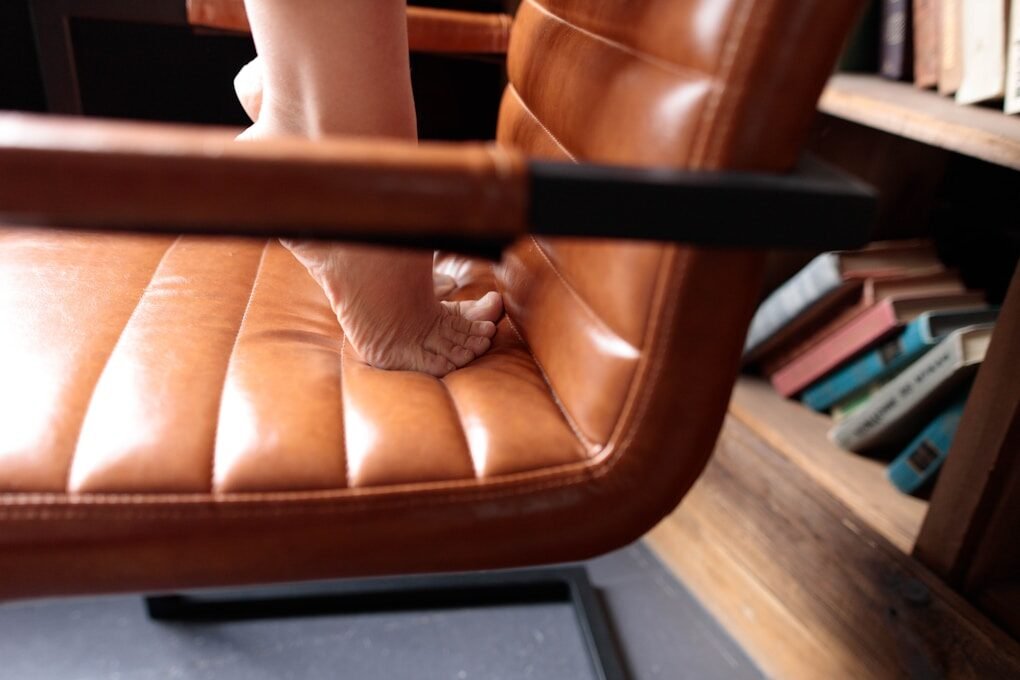
What happens when leather is not maintained
When leather is ignored, it starts to dry out. Then it gets dull. After that, you may notice stiffness, cracking, fading, or peeling. In busy home offices, body oils, sweat, dust, and friction speed this up even more.
Why regular cleaning extends chair life
Regular care removes grime before it works into the surface. It also keeps the leather flexible, which matters if you use the chair every day. A well-maintained leather office chair usually looks better, feels better, and lasts longer than one that is only cleaned when it already looks worn out.
How Leather Office Chair Care Works
The difference between cleaning, conditioning, and protecting
Cleaning removes dirt, oils, and light stains. Conditioning adds moisture back into the leather to help prevent drying and cracking. Protecting means reducing wear from sunlight, heat, spills, and everyday friction.
A lot of people clean leather but never condition it. That is one reason office chair leather starts looking tired long before the frame wears out.
Why genuine, bonded, and faux leather need different care
Not all leather office chairs are made from the same material. Genuine leather responds well to proper cleaners and conditioners. Bonded leather is more delicate and can peel if cleaned aggressively. Faux leather or PU leather usually needs gentle wiping but not the same type of deep conditioning as real leather.
| Chair Material | Best Cleaning Method | Needs Conditioner? | Main Risk |
|---|---|---|---|
| Genuine leather | Leather-safe cleaner and microfiber cloth | Yes | Drying and cracking |
| Bonded leather | Very gentle wipe-down | Light use only if manufacturer allows | Peeling and surface wear |
| Faux or PU leather | Mild wipe with non-abrasive cleaner | Usually no | Peeling and finish damage |
How heat, sunlight, and body oils affect leather
Direct sunlight fades leather and dries it out. Heat makes that worse. Body oils and sweat slowly build up on the seat, arms, and backrest. That is why the parts you touch most often usually show wear first.
How to Clean a Leather Office Chair Step by Step
Step 1: Dust and vacuum the chair
Start with a dry microfiber cloth. Wipe the seat, back, armrests, and seams. Then use a vacuum with a soft brush attachment to remove dust and debris from stitching and corners.
Step 2: Wipe with a leather-safe cleaner
Apply a small amount of leather cleaner to a microfiber cloth, not directly onto the chair. Wipe gently in sections. This helps you avoid oversaturating the surface.
Step 3: Remove spots carefully
For light stains, use a little more cleaner and work slowly. Do not scrub hard. Ink, food, and sweat marks can spread if you use too much liquid or the wrong product.
Step 4: Dry the chair properly
Use a clean dry cloth to remove leftover moisture. Let the chair air dry fully before sitting on it. Never use a hair dryer or strong heat source.
Step 5: Apply leather conditioner
Once the chair is dry, apply a small amount of conditioner with a fresh cloth. Spread it evenly and buff off any excess. This step helps keep genuine leather soft and reduces the chance of cracking over time.
Leather Office Chair Cleaning and Care Table
| Care Task | How Often | Best Tool or Product | Why It Matters |
|---|---|---|---|
| Dusting | Weekly | Dry microfiber cloth | Prevents dirt buildup |
| Light cleaning | Every 2 to 4 weeks | Leather-safe cleaner | Removes oils and grime |
| Conditioning | Every 3 to 6 months | Leather conditioner | Helps prevent dryness |
| Spot treatment | As needed | Soft cloth and targeted cleaner | Stops stains from setting |
| Full inspection | Monthly | Cloth, vacuum, good lighting | Catches wear early |
Leather Office Chair Cleaner vs Conditioner: Full Comparison
People often use these terms like they do the same job. They do not. One removes dirt. The other helps preserve the material.
| Product Type | Main Purpose | When to Use It | Best For |
|---|---|---|---|
| Leather cleaner | Removes dirt, oils, and light stains | During regular cleaning | Dirty or stained chairs |
| Leather conditioner | Helps keep leather soft and flexible | After cleaning | Dry, dull, or aging leather |
What each product does
A cleaner lifts surface dirt and residue. A conditioner helps reduce dryness and improves feel. On real leather chairs, both matter.
When to use one or both
If the chair only has light dust, a dry wipe may be enough. If it is grimy, clean it first. If the leather feels dry or looks dull, follow with conditioner.
What works best for dry, dull, or stained chairs
Dry chairs need conditioner after cleaning. Dull chairs often improve with both cleaning and conditioning. Stained chairs need careful spot treatment first, then routine care to restore appearance as much as possible.
Common Leather Office Chair Problems and Fixes
How to fix a leather office chair that looks dry
Clean it gently, let it dry, then apply a quality leather conditioner. If the chair sits near a sunny window or vent, move it. That alone can stop the dryness from coming back so quickly.
Why your leather office chair is peeling
Peeling is common with bonded leather and faux leather after heavy wear. Harsh cleaners, friction, heat, and age make it worse. Once peeling starts, cleaning will not reverse it, but gentle care can stop further damage from spreading quickly.
How to clean stains from a leather office chair
Blot spills fast. Do not rub hard. Use a leather-safe cleaner on a cloth and work slowly from the outside of the stain inward. For ink or stubborn marks, a leather-specific stain product is safer than improvised DIY cleaners.
How to deal with bad smells or sticky residue
Sticky residue usually means product buildup or surface breakdown. Wipe the area with a mild leather-safe cleaner and dry it well. For smells, clean the chair fully and let it air out in a shaded, ventilated room.
| Problem | Likely Cause | Fix |
|---|---|---|
| Dry or rough leather | Lack of conditioning | Clean and apply conditioner |
| Peeling surface | Bonded or faux leather wear | Use gentle care and consider repair kit |
| Dull appearance | Dirt and oil buildup | Clean with leather-safe product |
| Sticky feel | Product residue or finish breakdown | Wipe down and reduce heavy product use |
| Small stain | Spill or transfer mark | Spot clean quickly with soft cloth |
Common Leather Chair Cleaning Mistakes to Avoid
- Using too much water
- Spraying cleaner directly onto the chair
- Scrubbing with rough cloths or brushes
- Using bleach, alcohol-heavy cleaners, or harsh household sprays
- Skipping conditioner on genuine leather
- Treating bonded, faux, and real leather like the same material
- Leaving spills on the chair too long
Best Leather Office Chair Care Products Explained
Leather cleaners
The best cleaners are pH-balanced, non-abrasive, and made specifically for leather upholstery. They remove grime without drying the surface too aggressively.
Leather conditioners
A good conditioner helps genuine leather stay flexible and comfortable. It should absorb evenly and not leave the chair greasy.
Microfiber cloths and detailing tools
Soft microfiber cloths are safer than paper towels. A vacuum with a brush attachment helps clean seams and edges where dust collects. A soft detailing brush can help with stitching and textured surfaces.
Tool Recommendations
Leather Honey Leather Cleaner
A well-known leather cleaner for removing dirt and body oil without being overly harsh on upholstery.
Leather Honey Leather Conditioner
A strong option for restoring softness and helping real leather office chairs resist dryness and cracking.
Amazon Basics Microfiber Cleaning Cloths
A simple, affordable tool for dusting, cleaning, and buffing leather without scratching the surface.
Useful reference sources for leather care and furniture maintenance:
- Leather Honey
- The Home Depot leather furniture care guide
- Leather care product documentation and brand resources
Pro Tips and Best Practices for Long-Term Leather Chair Maintenance
- Do a quick dry wipe once a week
- Clean spills as soon as they happen
- Condition genuine leather every 3 to 6 months
- Keep the chair out of direct sunlight
- Do not place it right next to heaters or air vents
- Use a chair cover if the seat gets heavy daily use
- Test any new cleaner on a hidden area first
FAQ
What is the best thing to clean a leather office chair with?
A leather-safe cleaner and a soft microfiber cloth are the best starting point. Avoid harsh household sprays and abrasive scrubbing pads.
How often should I clean a leather office chair?
Light dusting once a week and proper cleaning every 2 to 4 weeks works well for most home and office setups. Condition genuine leather every few months.
Can I use water to clean a leather office chair?
You can use a lightly damp cloth for minor wiping, but too much water can damage leather. It is better to use a cleaner designed for leather surfaces.
Should I condition my leather office chair?
Yes, if it is genuine leather. Conditioner helps keep the leather soft and can reduce drying and cracking over time.
Why is my leather office chair peeling?
Peeling usually happens on bonded or faux leather after wear, heat exposure, friction, or harsh cleaning. It is common on older chairs and chairs used heavily every day.
Can I use vinegar on a leather office chair?
It is safer not to. Vinegar can be too harsh for some finishes and may dry out the material. A leather-specific cleaner is the better choice.
How do I keep my leather office chair from cracking?
Clean it regularly, condition genuine leather on schedule, wipe spills quickly, and keep it away from strong sun and heat. Those steps do the most to prevent cracking.
Conclusion
Cleaning and maintaining a leather office chair is mostly about using the right products and sticking to a simple routine. Dust it often, clean it gently, and condition genuine leather before it starts to feel dry. That is the easiest way to keep the chair looking better for longer.
If your chair is starting to look dull or dry, a proper cleaner and conditioner can make a noticeable difference without much effort.