

To clean a leather office chair, remove dust first, wipe it gently with a soft damp cloth and mild soap or a leather-safe cleaner, then dry it fully and condition it if needed. Avoid soaking the leather, harsh solvents, and direct heat.
I’m James Walker, and I’ve spent years testing office gear, chair materials, and workspace care products in real-world setups. Leather chairs look great, but they collect dust, body oils, spills, and grime faster than most people think.
The good news is that cleaning one properly is simple. You just need the right method. In this guide, I’ll show you how to clean a leather office chair safely, what mistakes to avoid, and which tools are actually worth buying.
Quick Answer: How to Clean a Leather Office Chair
The safest way to clean a leather office chair is to dust it first, wipe it with a soft cloth using a small amount of mild soap and lukewarm water or a leather-safe cleaner, then wipe again with a clean damp cloth and let it air dry. Leather should not be soaked, spot-scrubbed aggressively, or dried with heat. :contentReference[oaicite:2]{index=2}
Task
Best Practice
Routine cleaning Dust or wipe with a soft dry cloth first
Deeper cleaning Use mild soap and a lightly damp soft cloth
Drying Air dry and buff with a clean soft cloth
What to avoid Heat, excess water, solvents, and abrasive cleaners
What a Leather Office Chair Is and Why Proper Cleaning Matters
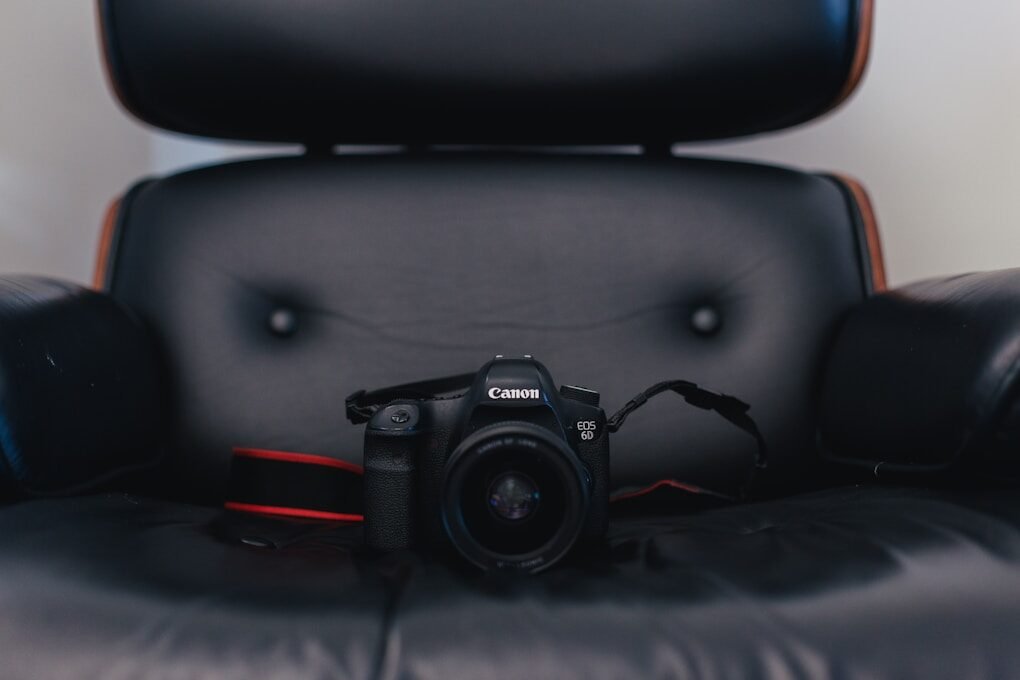
A leather office chair can be made from real leather, bonded leather, or faux leather. Each surface looks similar from a distance, but they do not react the same way to moisture, cleaners, and wear. That matters because the wrong cleaner can leave the chair dull, sticky, cracked, or peeling over time.
Good cleaning does two things. First, it removes surface dirt, skin oils, and spills. Second, it helps preserve the finish so the chair lasts longer in daily home or office use.
How Leather Office Chair Cleaning Works
Real Leather vs Faux Leather vs Bonded Leather
Real leather usually benefits from gentler cleaning and occasional conditioning. Bonded leather tends to wear out faster and can flake if treated harshly. Faux leather is often more forgiving with light surface cleaning, but it can still crack if exposed to strong chemicals or too much heat.
| Material | Cleaning Difficulty | Main Risk |
|---|---|---|
| Real leather | Moderate | Drying out or damaging the finish |
| Bonded leather | Moderate | Peeling and flaking |
| Faux leather | Easy to moderate | Cracking from harsh products or heat |
Why Harsh Cleaners Damage Leather
Office furniture brands and leather care guides commonly recommend mild soap, minimal moisture, and soft cloths. They also warn against solvents, saddle soap, harsh detergents, and abrasive products because these can break down the finish or strip protective oils from the material. :contentReference[oaicite:4]{index=4}Body Oils, and Heat Matter
Leather chairs pick up dust in seams, skin oils on the headrest and armrests, and friction on the seat panel. Over time, that buildup can make the chair look dull or sticky. Heat from sunlight or a room heater can also dry the surface and speed up cracking.
How to Clean a Leather Office Chair (Step-by-Step)
Gather the Right Cleaning Tools
- Soft microfiber cloths
- Vacuum with a soft brush attachment
- Mild soap and lukewarm water, or a leather-safe cleaner
- Dry soft cloth for buffing
- Leather conditioner if the chair is real leather and needs it
Vacuum Dust, Seams, and Creases

Start by removing loose dust and crumbs. Use a soft brush attachment or a dry microfiber cloth. Focus on seams, stitching, creases, and the space where the seat meets the backrest. Routine dusting is widely recommended in manufacturer care guides before any damp cleaning step. :contentReference[oaicite:6]{index=6}a Mild Leather-Safe Cleaning Solution
- Dampen a soft cloth lightly. Do not soak it.
- Add a small amount of mild soap or use a leather-safe cleaner.
- Wipe the chair gently, section by section.
- Clean the full panel instead of aggressively scrubbing one tiny spot.
- Use another lightly damp cloth to remove any residue.
Herman Miller’s leather care guidance specifically recommends a soft damp cloth, mild soap, lukewarm water, cleaning the entire surface rather than spot cleaning, and then drying with a clean soft cloth. :contentReference[oaicite:8]{index=8}air the Right Way
After wiping, dry the chair with a clean soft cloth and let it air dry fully. Do not use a hair dryer, heater, or direct high heat. Leather care instructions from Herman Miller explicitly warn against heat drying. :contentReference[oaicite:10]{index=10}and Protect the Surface
If the chair is real leather and feels dry, a leather conditioner can help restore suppleness. Some office furniture guidance suggests conditioning leather once or twice a year rather than constantly. Over-conditioning can leave residue, so use only a light amount and follow the product label. :contentReference[oaicite:12]{index=12}eather Office Chair Looks Dull, Sticky, or Cracked
A dull chair usually points to dust, skin oil buildup, or cleaner residue. A sticky chair often means too much product was used or the wrong cleaner was applied. Cracking usually happens from dryness, friction, heat exposure, or years of wear. Peeling is especially common with bonded leather once the top layer starts to break down.
Common Problems and Fixes
| Problem | Likely Cause | Fix |
|---|---|---|
| Dull finish | Dust, oils, cleaner residue | Wipe with a clean damp cloth, dry, then lightly buff |
| Sticky surface | Too much cleaner or improper product | Remove residue with a lightly damp cloth and dry fully |
| Dry or stiff leather | Lack of conditioning, heat, age | Use a leather conditioner sparingly if appropriate |
| Peeling or flaking | Worn bonded leather or damaged finish | Use a repair product or replace the worn panel if severe |
| Spill or spot | Liquid, food, ink, skin oil | Blot fast, clean gently, and avoid hard scrubbing |
How to Remove Everyday Dirt and Sweat Buildup
For routine grime, I use a dry microfiber cloth first, then a lightly damp cloth with a tiny bit of mild soap. The seat edge, arm pads, and headrest usually need the most attention.
How to Clean Stains Without Damaging the Finish
Blot spills quickly. Do not grind the stain deeper by scrubbing hard. For oily spots, some leather care guidance recommends wiping away excess and letting the remaining oil dissipate naturally rather than adding water immediately. :contentReference[oaicite:14]{index=14} If the Leather Is Dry or Stiff
Clean it first. Then apply a small amount of leather conditioner if the material is real leather. Test on a hidden area before doing the full chair.
How to Handle Peeling or Flaking Surfaces
If the chair is peeling, cleaning alone will not fix the damage. That usually means the surface coating is failing. At that point, a leather or vinyl repair product may improve the look, but replacement is often the long-term answer.
Best Leather Cleaning Tools and Products
Leather Honey Leather Cleaner
A popular option for deeper cleaning when your chair has body oil buildup or visible grime.
Lexol Leather Conditioner
Useful for real leather chairs that feel dry, stiff, or faded after years of daily use.
Microfiber Cleaning Cloth Set
The simplest upgrade for routine chair care, dust removal, and streak-free wiping.
Leather Cleaner vs Leather Wipes vs DIY Soap Mix: Full Comparison
| Option | Best For | Pros | Cons |
|---|---|---|---|
| Leather cleaner | Regular deep cleaning | Made for leather, easy to control | Costs more than a simple DIY method |
| Leather wipes | Quick maintenance | Fast and convenient | Can leave residue if overused |
| Mild soap mix | Budget-friendly routine cleaning | Simple and effective when used lightly | Too much water or soap can cause problems |
Common Leather Office Chair Cleaning Mistakes to Avoid
- Using too much water
- Spraying cleaner directly onto the chair
- Using bleach, alcohol-heavy products, or solvents
- Scrubbing one spot too aggressively
- Drying the chair with direct heat
- Skipping routine dusting and only cleaning when it looks bad
- Using conditioner on already sticky or dirty leather
Pro Tips and Best Practices for Long-Term Chair Care
- Dust the chair weekly if you use it every day.
- Clean armrests and the headrest more often than the back panel.
- Keep the chair out of direct sunlight when possible.
- Always test a new cleaner on a hidden area first.
- Use conditioner sparingly and only when the material needs it.
- Check your chair manual if you know the exact brand and leather type.
Helpful Resources
For official care guidance, see Herman Miller care and maintenance, Steelcase cleaning guidance, and Herman Miller leather care PDF. These sources recommend soft cloths, mild soap, minimal water, and air drying for leather care. :contentReference[oaicite:16]{index=16}
What is the best thing to clean a leather office chair with?
A soft microfiber cloth, mild soap with lukewarm water, or a leather-safe cleaner is the safest starting point for most leather office chairs.
Can I use dish soap on a leather office chair?
A very mild soap solution is commonly recommended in furniture care guidance, but use only a small amount and do not soak the leather. :contentReference[oaicite:18]{index=18}should I clean a leather office chair?
Light dusting can be done weekly, while deeper cleaning depends on use. Daily-use chairs usually benefit from occasional wipe-downs and periodic conditioning if the leather is real and feels dry.
Can I use vinegar to clean a leather office chair?
I do not recommend it as a default method. Mild soap or a leather-safe cleaner is a safer choice for preserving the finish.
Why is my leather office chair peeling?
Peeling usually means the surface coating is wearing out, which is especially common with bonded leather. Cleaning can help appearance, but it will not reverse material failure.
Should I condition my leather office chair?
If it is real leather and feels dry, a light conditioner can help. Some furniture care guides suggest doing this only once or twice a year. :contentReference[oaicite:20]{index=20}disinfecting wipes on my leather chair?
Not all wipes are leather-safe. Check the chair brand guidance first, because harsh ingredients can damage the finish over time.
Conclusion
Cleaning a leather office chair is simple when you keep it gentle. Dust first, use a soft cloth, keep moisture light, skip harsh chemicals, and let the chair air dry. If you do that consistently, your chair will stay cleaner, look better, and last longer.