
Can you use smart home devices in a rental apartment, and what practical limits will you hit when you try to install locks, cameras, or smart thermostats? Renters often run into lease clauses, missing neutral wiring, and privacy rules that change which devices are safe and legal to use.
In our research, manufacturer specifications show many smart switches and thermostats require a neutral wire, and NEC guidance affects electrical changes, as of 2026. Below you’ll find a clear quick answer, major pain points renters face, how the tech works in apartments, a preinstall checklist, and a decision workflow to pick nonpermanent or landlord approved options.
Quick answer / Key insight: can you use smart home devices in a rental apartment?
Yes, you can use smart devices in a rental, but choose based on lease rules, device power type, and building policies. If you cannot alter wiring or drill walls, stick to plug‑in, battery, adhesive, and hubless devices that require no permanent changes.
Battery cameras, smart bulbs in lamps, and plug‑in smart plugs are the simplest options for renters. Hardwired devices like many smart switches and thermostats usually need landlord approval and correct wiring, so plan ahead if you want them.
Problem / Pain Points renters face with smart home gear
Leases that forbid alterations create immediate problems, because drilling or hardwiring can trigger repair charges. Tenants who replace a thermostat or change a switch without permission may be billed to restore the unit.
Many older apartments lack a neutral wire in switch boxes, which prevents many smart switches and thermostats from working without electrician work. Manufacturer installation guides commonly list neutral or C wire requirements as mandatory.
Privacy and recording laws add complexity for cameras and audio. Pointing a camera at a shared hallway, neighbor window, or common area can violate local laws and building rules. Check state rules on audio recording before enabling audio capture.
Shared building Wi‑Fi and interference can break device reliability. Dense walls, limited upload speeds, and many neighbors on the same band reduce performance for cloud‑connected cameras and voice assistants. Budget for mesh Wi‑Fi or a segregated network when necessary.
Account lock and ownership transfer issues can block future tenants. Devices bound to a previous owner’s account can require vendor support to unbind. Prefer models with clear factory reset and local control procedures.
Core explanation: how smart devices work in rental settings
Devices fall into three practical power types that define install permanence: battery powered, plug‑in, and hardwired. Battery devices are non permanent physically, plug‑in devices occupy an outlet, and hardwired devices require in‑box wiring changes, often involving a neutral conductor.
Network protocols matter for bandwidth and hub needs. Wi‑Fi devices use your router directly and can strain bandwidth, while Zigbee and Z‑Wave use a hub that bridges to the network and uses less Wi‑Fi. Thread and Matter aim for wider interoperability and often require a compatible border router.
Local control versus cloud control affects privacy and uptime. Local control lets devices operate on your LAN without vendor cloud reliance. Cloud control gives remote access and features like offsite video storage but adds subscription costs and vendor dependence.
Security attributes to prioritize include WPA2 or WPA3 Wi‑Fi, TLS for cloud links, and regular firmware updates. NIST IoT guidance recommends unique passwords, multi‑factor authentication, and automatic patching. Those practices reduce exposure on shared apartment networks.
Physical mounting options decide renter risk. Adhesive mounts and magnetic plates are reversible. Screws and anchors change walls and usually need permission. For outdoor devices, check IP ratings such as IP65 for weather protection.
Condition checklist: what to evaluate before buying or installing
Read lease clauses about "alterations" and "fixtures", because written permission prevents disputes. If you plan a hardwired change, get the landlord to sign approval that covers restoration responsibility and who pays.
Check for a neutral wire in switch boxes and confirm the doorbell transformer rating before buying a video doorbell. Manufacturer install guides list required voltages and VA ratings; measure or have an electrician confirm the existing wiring.
Confirm building, HOA, and local rules about exterior devices and recording. Many condo boards restrict visible exterior cameras, and some cities have rules on audio recording. Verify placement will not capture neighbors or common areas.
Map Wi‑Fi strength and upload speed in rooms where devices will be installed. If the router shows dead zones, plan mesh Wi‑Fi nodes. Consider a guest SSID or VLAN for IoT devices to protect personal devices and credentials.
Decide account and ownership strategy: favor devices with factory reset, local control, or easy transfer. Photograph your setup, save receipts, and document serial numbers for move‑out handover.
Decision workflow: choose the right path for your apartment
If the lease forbids alterations, choose plug‑in, battery, adhesive, or hubless devices that avoid drilling. These include smart bulbs in lamps, plug‑in smart plugs, battery cameras, adhesive contact sensors, and retrofit locks that do not require door modification.
If you can get landlord approval, hardwired upgrades like smart switches, smart thermostats, or a wired video doorbell deliver cleaner integration. Get written permission, and schedule a licensed electrician for wiring and code compliance.
If you run a short‑term rental, use guest‑friendly systems with time‑limited access and clear privacy policies. Cloud‑managed smart locks that generate one‑time or temporary codes are practical, and cameras should be placed only in disclosed exterior or public areas.
If you live with roommates, segregate devices on a guest SSID and agree on administrative access. Assign a single admin account for device updates and ownership, and document responsibility for maintenance and bills.
Path A, no alteration allowed, best options
- Smart bulbs, plug‑in smart plugs, battery cameras, adhesive door/window sensors.
- Easy to remove at move out and low landlord risk.
- Limitations include inability to control hardwired ceiling fixtures or entire circuits.
Path B, landlord approval obtained, best options
- Smart switches, hardwired smart thermostats, wired doorbells.
- Cleaner integration and circuit level control.
- Requires electrician work and a restoration agreement.
Path C, short‑term rental setup
- Smart locks with guest codes, centralized provisioning, and activity logs.
- Protect guest privacy and automate check‑in and check‑out flows.
Path D, shared building approach
- Network segregation, clear account ownership, and noninvasive devices.
- Ensure camera fields of view do not capture shared spaces.
If you choose a hardwired path, gather wiring diagrams and electrician estimates before asking permission. Presenting clear specs and costs makes landlord approval more likely.
Step-by-step process for each decision branch
Start with a lease and wiring review, then follow a concise install checklist. Read the clause about alterations and get written permission for permanent work. Inspect the switch box or hire an electrician to confirm neutral availability.
If the lease forbids alterations, select plug‑in and battery devices and avoid drilling. For approved hardwired installs, hire a licensed electrician to verify wiring and perform the work to code.
Follow this install sequence: physical fit, power check, network pairing, local control verification, and cloud features test. After mounting, pair the device and verify local control without relying on vendor cloud, when possible.
Document installation for move out and landlord communications. Photograph before and after, keep receipts, and record serial numbers. At move out, factory reset devices, remove mounts carefully, and patch any agreed areas.
Features & attributes to prioritize for renters
Prioritize power type because it sets installation permanence and landlord risk. Battery powered and plug‑in devices avoid wiring changes, while hardwired devices offer integration but need restoration planning.
Check network protocol and hub needs, because Wi‑Fi devices use router bandwidth while Zigbee and Z‑Wave use hubs that reduce Wi‑Fi load. Thread and Matter promise better cross‑brand compatibility and are worth considering for future proofing.
Assess local control, firmware update policy, and security features. Choose devices that support local LAN control, WPA3, TLS encryption, and timely OTA updates. Confirm clear factory reset and ownership transfer steps in the manual.
Look at mounting methods and IP ratings for outdoor devices. Adhesive and magnetic mounts reduce deposit risk. For external gear, IP65 or higher protects against rain and dust. Verify the physical footprint to avoid obstructing vents or alarms.
Compare subscription versus local storage options to control cost and privacy. Cloud plans for video commonly charge $3 to $10 per month per camera, while SD card or NAS options avoid recurring fees.
Tools & product types that work best in rentals
Smart bulbs and LED retrofit lamps provide lighting control without switch changes, and they are easy to remove. Smart plugs handle lamps and small appliances, while energy monitoring plugs give usage data without electrician work.
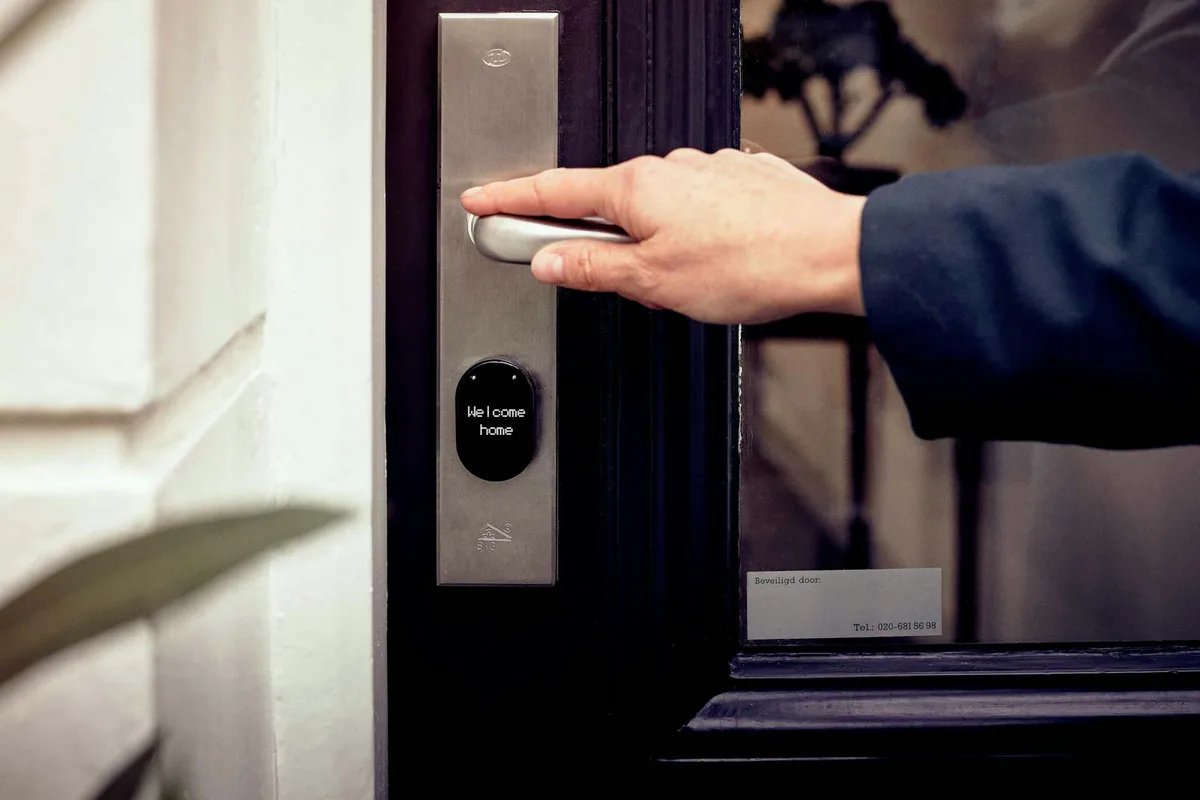
Retrofit smart locks that replace only the interior side of the deadbolt or fit over the existing thumbturn let you retain the original hardware. For door access guidance and model summaries, see product roundups like Best Smart Locks Front Door and the HomeKit focused list at Best Apple Homekit Smart Lock.
Battery doorbells and plug‑in indoor cameras minimize landlord friction, but check field of view and legal constraints. If you need a central controller, pick a hub that matches your protocol mix, such as a Zigbee bridge or a Matter border router.
For guest management, use cloud systems that support unique PINs, time windows, and activity logs. That approach simplifies turnover and reduces manual key handoffs for short‑term rentals.
Costs, pricing ranges, and data points renters care about
Expect typical price bands: smart bulbs $10 to $60, smart plugs $15 to $45, retrofit locks $80 to $250, smart thermostats $100 to $250, and video doorbells $60 to $250. Those ranges reflect common retail offerings as of 2026.
Cloud storage adds recurring costs, often $3 to $10 per month per camera, with some vendors offering bundled plans for multiple devices at $50 to $150 per year. Local SD or NAS storage reduces subscription expense.
Installation time varies: plug‑in setups take 5 to 15 minutes, and electrician jobs for wiring or switch replacement typically cost $150 to $400 depending on local rates. Mesh Wi‑Fi nodes cost $100 to $300 each and usually provide 30 to 50 feet of reliable indoor coverage per node.
Practical device limits matter: consumer routers may show strain with 50 to 100 connected devices depending on router quality. Monitor bandwidth and offload cameras or heavy devices to a separate SSID if you see instability.
Mistakes to avoid when setting up smart home tech in rentals
Do not install hardwired devices without written landlord approval, because repair or restoration costs may fall to you. A written agreement that outlines who pays for electrician work and restoration protects your deposit.
Avoid models tied permanently to a single cloud account, because transfer can be difficult. Confirm factory reset and ownership transfer steps before you buy, and prefer devices with local control options.
Do not point cameras at common areas or neighbor windows, because privacy laws and building rules often prohibit recording those spaces. Angle devices so they capture only your entry or private balcony, and document placement.
Do not neglect basic network security. Use unique passwords, enable multi‑factor authentication where available, and enable automatic firmware updates. NIST guidance recommends these steps to reduce IoT attack surface.
Do not overload a single router with many high bandwidth devices. Use mesh Wi‑Fi or a guest SSID, and limit camera recording quality or schedule recordings to reduce bandwidth use.
Safety, legal, and compliance essentials
Follow landlord‑tenant law and get permission in writing before altering wiring or drilling into doors. Many leases include clauses that require restoration, and written permission prevents disputes.
Confirm electrical compatibility with basic NEC principles, because smart switches and thermostats often need a neutral conductor. Manufacturer wiring diagrams show required voltages, and a licensed electrician should verify the box before installation.
Respect privacy and audio laws when using cameras and microphones, and avoid recording areas where consent is required. Local statutes vary on audio recording; consult your state or city regulations before enabling audio.
Choose devices with safety and radio certifications, such as UL listing and an FCC ID, and follow IoT security best practices. Regular firmware updates and unique admin credentials reduce device vulnerabilities on shared networks.
Maintenance & long-term optimization for renter setups
Enable automatic firmware updates when available, because vendors publish security fixes on an irregular schedule. Devices with automatic OTA updates reduce the administrative burden of manual patching.
Plan for battery replacement and monitoring for battery powered devices, and set calendar reminders or rely on device battery alerts. Typical battery life varies by model and usage, so monitor alerts and swap cells proactively.
Keep documentation for account and device ownership, and record serial numbers and receipts. Use vendor transfer options when moving out, and factory reset devices before leaving to prevent future access issues.
Segment smart devices on a guest SSID or VLAN to protect personal devices, and monitor bandwidth usage. Reduce camera upload quality or recording schedules to manage monthly data use on shared apartment internet plans.
Prepare a move‑out checklist that includes removal, factory resets, and patching of holes. Remove adhesive mounts slowly and follow manufacturer guidelines to minimize paint damage.
Real scenarios and recommended workflows
Scenario 1, no‑permission tenant with limited wiring: best non‑destructive setup
- Choose plug‑in and battery devices, including smart bulbs, smart plugs, and adhesive sensors.
- Map outlets and lamp positions, and use a mesh node to fix weak Wi‑Fi spots.
- Document everything and perform factory resets when you move.
Scenario 2, landlord approval obtained, wanting thermostat and wired lock
- Provide wiring diagrams and electrician estimates to the landlord for faster approval.
- Confirm neutral wire and door compatibility, hire a licensed electrician, and save invoices.
- Agree in writing on who will restore the unit at move out.
Scenario 3, short‑term rental host needing guest access and privacy controls
- Use locks that issue temporary PINs and show activity logs.
- Place cameras only in disclosed exterior or public spaces and post notices where required.
- Automate guest check out to reset codes and rearm sensors.
FAQs renters ask about smart home devices in apartments
Can I install a smart thermostat without a neutral wire?
No, most smart thermostats require a neutral wire, though some models offer adapter kits or power stealing options. Manufacturer specs list C wire requirements, and an electrician can advise on adapters or running a C wire.
Are battery cameras reliable for security?
Yes, battery cameras are viable for many use cases, but battery life depends on motion frequency and temperature. Use motion schedules and low resolution when possible to extend runtime.
Will installing a smart lock damage my door?
A retrofit smart lock that fits over the interior thumbturn or replaces only the interior side usually avoids structural changes. Verify backset, bore size, and latch compatibility before purchase.
Can a landlord force me to remove a smart device I installed?
Yes, a landlord can require removal if the device violates the lease or building rules, and they may charge for restoration. Written permission limits surprises at move out.
How do I protect my privacy with smart devices?
Segment devices on a guest SSID, use strong unique passwords, enable multi‑factor authentication, choose local control where possible, and restrict camera fields of view to your private area only.
Final recommendation / Decision guide
Answer three questions to pick the right path: does your lease allow alterations, is there a neutral wire and compatible doorbell transformer, and are you managing short‑term guests? If you cannot alter the property, choose plug‑in bulbs, smart plugs, battery cameras, and retrofit locks. If you have approval and correct wiring, hardwired switches and thermostats provide cleaner integration. If you host guests, use code‑based locks and limit camera placement to entry areas.
Quick checklist before you buy
- Read the lease and get written permission for permanent changes.
- Confirm neutral wire and transformer specs with manufacturer documents or an electrician.
- Segment IoT devices on a guest SSID and enable firmware updates and MFA.
- Document installation with photos and receipts, and plan factory resets for move out.
Follow the checklist, and you’ll pick devices that suit the apartment, protect your deposit, and keep your network secure.