PIR motion detection is a technology that detects changes in infrared energy, usually associated with warm moving objects such as people and animals, and uses those changes to trigger a motion event.
For homeowners in the United States, PIR motion detection is commonly found in security cameras, alarm systems, outdoor lights, smart-home devices, and battery-powered cameras used around front doors, garages, driveways, backyards, and other parts of a property. PIR stands for passive infrared. Unlike an active sensor that sends out energy and measures a response, a PIR sensor passively observes infrared radiation already present in its field of view.
The key point is that a PIR sensor is not primarily looking at a video image. It is looking for a meaningful change in infrared energy across its sensing pattern. When a person or animal moves through that pattern, the sensor can detect a change relative to the background and produce an electrical signal that a camera, alarm panel, light, or other device can use as a motion trigger.
That distinction explains both the strength and the limitations of PIR technology. Because it can detect warm moving targets without continuously analyzing every image, PIR can be useful for triggering battery-powered security cameras and reducing unnecessary recording. However, changes caused by environmental heat, sunlight, airflow, reflections, pets, insects, or poor placement can also cause unwanted events depending on the specific sensor and installation.
Source: i.ytimg.com
How Does PIR Motion Detection Work?
PIR motion detection works by sensing changes in infrared radiation within a defined field of view. Every object emits some infrared energy, and the amount depends partly on its temperature and surface characteristics. A PIR sensor monitors that energy and looks for changes that are consistent with movement.
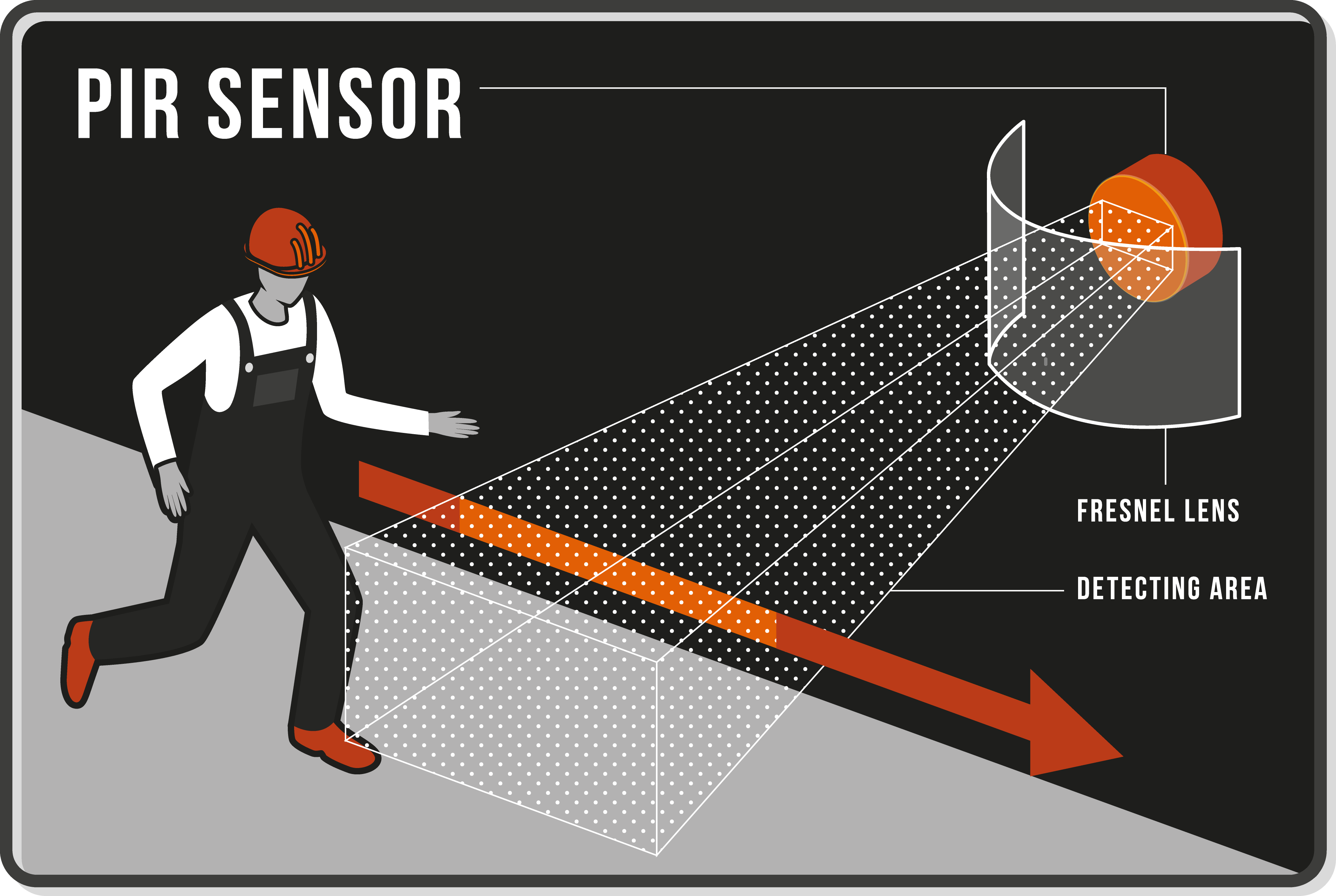
A basic PIR device commonly uses two sensing elements arranged so that the electronics can compare changes occurring in different parts of the field of view. When the scene is stable, the two sensing elements can receive relatively similar infrared levels. When a warm object such as a person moves across the detection pattern, it can enter one sensing area before the other. That creates a differential change that the electronics can interpret as motion.
The sensor does not need to identify a person’s face, clothing, or exact shape to create a trigger. It simply detects a change in infrared energy that meets the device’s detection criteria. In a security camera, the resulting signal may wake the camera, start recording, capture an image, or initiate another programmed response.
Source: icnavigator.com
Passive sensing
PIR sensors observe infrared energy naturally emitted by objects instead of transmitting an active signal to measure a reflection.
Change is the key
A stable scene can produce little or no motion signal, while a changing infrared pattern can produce a detection event.
Detection is not the same as identification
A PIR sensor can indicate that motion-like thermal change occurred, but it does not by itself provide the detailed visual classification that a camera image or dedicated AI system may provide.
Why a Moving Person Is Easier to Detect Than a Stationary Person
PIR technology is especially sensitive to changes rather than simple presence. If a person enters a monitored area, moves through it, and changes which sensing zones are receiving their infrared energy, the sensor can produce a clear motion signal. Once the person becomes stationary, the immediate change may decrease, which can make continued detection behave differently depending on the sensor’s design and processing.
This is why PIR motion detection should not be interpreted as a sensor that continuously measures whether a person is physically present. Its primary job is to detect changes in infrared conditions associated with movement.
Movement across the field
Motion that crosses multiple sensing zones can create a stronger differential change than movement that produces only a small or poorly timed change.
Stable presence
A stationary target may not create the same kind of changing signal that initially triggered the sensor.
What Parts Make Up a PIR Motion Sensor?
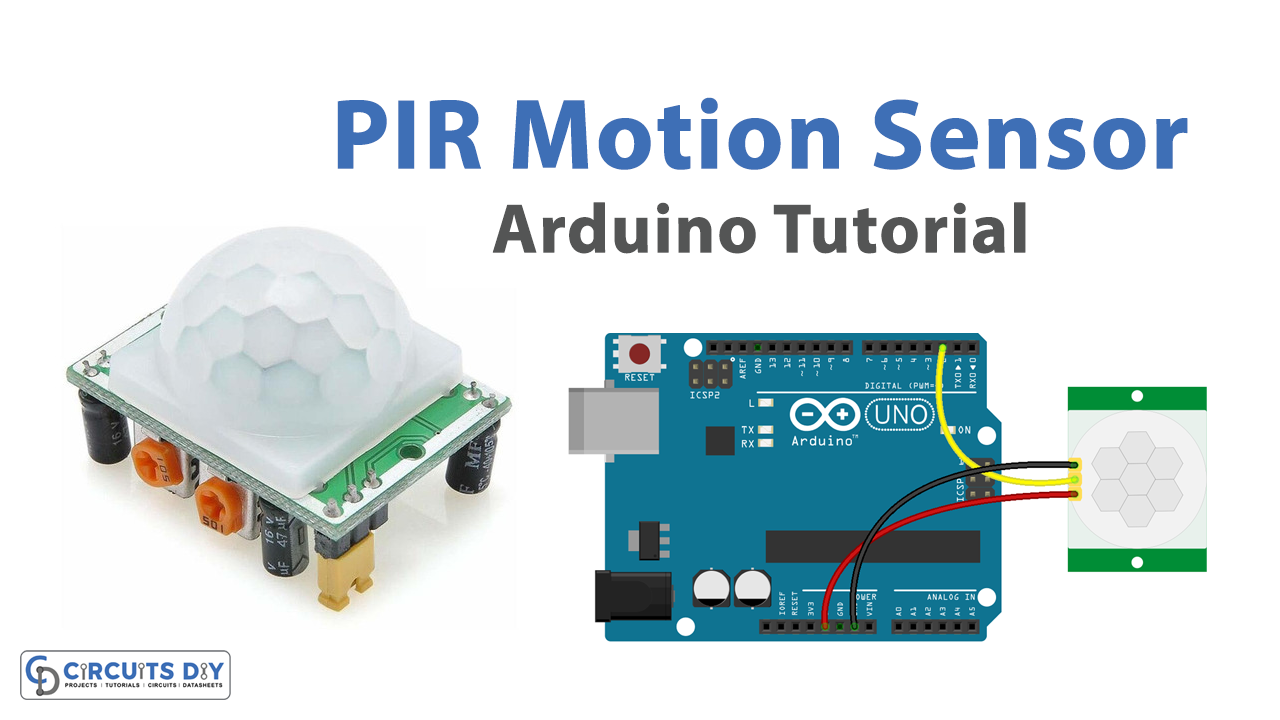
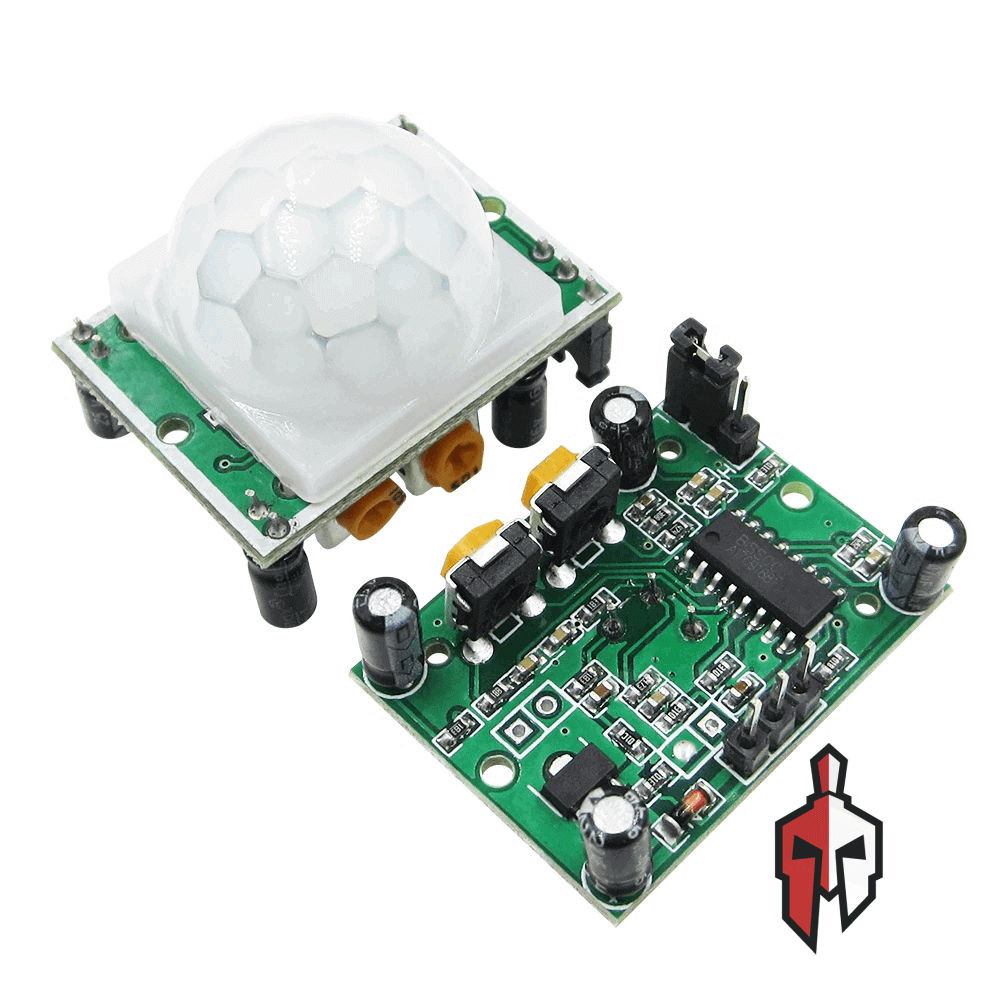
A PIR motion sensor is more than the visible plastic dome on many security devices. The sensing system combines a pyroelectric sensing element, optical components, and electronic processing that turns a small infrared change into a usable detection signal.
The pyroelectric element is the part that responds to changes in infrared radiation. The surrounding optics shape the area that the sensor can observe. Electronics then amplify and process the sensor output so that the device can decide whether the detected change meets its motion criteria.
Different products can use different optical designs, sensing elements, processing methods, and software. As a result, two PIR devices may both use the same basic principle while behaving differently in range, coverage pattern, sensitivity, environmental tolerance, and false-alarm resistance.
Source: contintechind.com
Pyroelectric sensing element
This component responds to changes in infrared radiation and provides the raw signal used for PIR detection.
Fresnel lens
Many PIR sensors use a segmented Fresnel lens to divide and shape the infrared field into multiple detection areas.
Signal processing electronics
The circuitry amplifies and evaluates changes from the sensing element before producing a motion output.
Camera or alarm controller
The larger device can use the PIR output to wake a camera, trigger recording, activate lighting, or send an alert.
What Does the Fresnel Lens Do?
The small ridged or segmented plastic cover commonly seen on PIR devices is often a Fresnel lens. Its purpose is to shape the infrared field of view and create multiple detection zones rather than leaving the sensing element with a simple, narrow viewing pattern.
Because the optical pattern affects how a target crosses the sensing zones, lens design can strongly influence practical behavior. A PIR sensor’s advertised viewing angle and range should therefore be treated as characteristics of the complete sensor design, not as universal values for every PIR device.
Coverage pattern
The lens helps determine where infrared changes can be detected within the monitored area.
Detection zones
Segmented optics can create multiple interleaved areas that help the electronics recognize changing infrared conditions.
Device-specific performance
A different lens, mounting angle, or sensor design can change the practical detection pattern.
PIR Motion Detection vs Other Motion Detection Technologies
PIR is only one way to detect motion. In a home security system, the sensor technology matters because different methods respond to different physical signals and therefore have different strengths and weaknesses.
The simplest comparison is between PIR, video-based motion detection, and microwave or radar-based detection. These systems are not interchangeable. A camera can use more than one detection method at the same time, with one technology used to trigger another stage of analysis.
For example, a battery-powered security camera may use PIR as an initial trigger because the sensor can monitor for relevant thermal changes while the camera remains in a lower-power state. The camera can then wake and use its image sensor or onboard processing to decide what happened. Some security systems also combine PIR with another sensing technology to improve decision-making.
Source: circuits-diy.com
PIR
Detects changes in infrared energy and is commonly associated with moving warm targets such as people and animals.
Video motion detection
Analyzes changes in the camera image, such as changes between frames or regions of the scene.
Microwave or radar sensing
Uses electromagnetic waves to detect movement and can operate according to different physical principles than PIR.
Combined detection
Some professional detectors combine PIR with another technology so multiple signals can be evaluated before generating an alarm.
Why Security Cameras Sometimes Combine PIR and Camera-Based Detection
PIR and video analysis can complement each other. PIR can provide a fast indication that a relevant thermal change has occurred, while the camera image can provide visual information about the event. In products that include AI-based human or object detection, the visual processor may further classify the event after the initial sensor trigger.
This layered approach can be useful when battery life, notification quality, and false alerts all matter. However, the exact behavior depends on the camera manufacturer, firmware, sensor configuration, and software settings.
PIR as a trigger
A thermal change can tell the camera that something worth checking may have occurred.
Image analysis as verification
The camera may inspect the captured scene to determine whether a person, vehicle, animal, or other object is present.
What Can Cause PIR Motion Detection False Alerts?
A PIR false alert does not necessarily mean the sensor is defective. Because PIR responds to changes in infrared energy, environmental conditions can sometimes create a signal that resembles the change caused by a moving person or animal.
Installation is one of the biggest practical factors. A sensor facing direct sunlight, rapidly changing heat sources, strong airflow, moving vegetation, reflective surfaces, or other unstable conditions may be more likely to produce unwanted detections. Manufacturer guidance commonly emphasizes controlling the sensor’s field of view and avoiding locations where environmental changes can repeatedly disturb the infrared scene.
PIR cameras can also detect animals and other warm moving objects. Whether that results in an alert depends on the product’s sensitivity, detection-zone design, mounting height, software filtering, and any available pet or object classification features.
Source: ik.imagekit.io
Direct sunlight and changing light conditions
Rapid changes in the scene or heat conditions around windows, reflective surfaces, and outdoor areas can contribute to unwanted triggers.
Heat sources
Air conditioners, heaters, vents, fans, hot exhaust, and other sources of changing thermal energy can interfere with a PIR sensor’s field of view.
Pets and small animals
Animals can generate infrared patterns that trigger PIR detection, especially when they move within the most sensitive part of the coverage area.
Poor mounting or vibration
An unstable camera or detector can create a less predictable detection environment and may contribute to repeated events.
Dirty or obstructed optics
Dust, debris, spider webs, or contamination near the sensing area can affect performance and should be checked during troubleshooting.
How to Reduce PIR False Alarms
Start with the physical environment before changing advanced settings. Look at exactly what the PIR sensor can see, not only where the camera lens is pointing. The PIR field of view may not match the camera image perfectly, so the thermal disturbance that triggered the sensor may be outside the part of the scene you expect to see in recorded video.
Next, adjust sensitivity gradually rather than assuming maximum sensitivity is always better. A highly sensitive setting can detect smaller thermal changes, but the result may be more unwanted events in a busy or thermally unstable environment.
Finally, review the product’s own installation instructions because mounting height, detection distance, horizontal angle, and recommended environmental conditions vary between models.
Check the field of view
Look for sunlight, moving curtains, vegetation, reflective surfaces, vents, heaters, fans, and vehicle exhaust in the sensor’s coverage area.
Lower sensitivity when appropriate
Reducing sensitivity can help when minor thermal changes are creating repeated alerts, provided the setting still gives the coverage you need.
Secure the mounting position
Make sure the device is firmly mounted and not being moved by doors, wind, loose brackets, or vibration.
Clean the sensor area
Remove dust, debris, and spider webs carefully according to the manufacturer’s maintenance instructions.
How to Use PIR Motion Detection Effectively in a Security Camera
The best PIR setup starts with the motion path you actually want to detect. For a typical U.S. home, that might be someone approaching a front door, crossing a driveway, walking along a side gate, or entering a backyard. The detector should be positioned so movement crosses useful parts of its detection pattern instead of moving directly toward the sensor for most of the approach.
Manufacturer documentation for PIR systems often recommends installation that places likely movement across the coverage pattern. Exact mounting height, distance, and angle are product-specific, so the camera’s own installation instructions should take priority over generic rules.
For a battery-powered camera, PIR can be especially useful because the sensor can act as a trigger for camera activity. Instead of treating the camera as though it must continuously analyze every moment, the PIR event can initiate recording or other actions. The final result depends on the device’s firmware, power-management design, and software.
Source: blogger.googleusercontent.com
Choose the important motion path
Aim the sensing pattern at areas where people are expected to cross the monitored space rather than placing the device where movement creates minimal changes.
Follow the camera’s mounting guidance
Use the exact recommended mounting height, range, angle, and detection-zone settings for the model you own.
Avoid unstable thermal scenes
Keep the sensing area away from avoidable sources of changing heat, direct sunlight, moving branches, and similar disturbances.
Use zones and filters when available
Product-specific PIR zones, sensitivity controls, and object filters may help reduce unwanted notifications.
A Practical Front-Door Example
Imagine a U.S. homeowner mounting a PIR security camera near a front entry. The goal is to notice someone approaching the porch while avoiding repeated alerts from a busy street. A practical setup would begin by identifying the approach path, checking the PIR coverage area, and keeping major sources of changing heat outside the most sensitive portion of the sensor’s field of view where possible.
After installation, the homeowner should perform a walk test from different directions and distances. The useful question is not simply whether the camera detects motion, but whether it detects the intended person consistently while avoiding predictable disturbances. If the camera triggers too easily, sensitivity and placement can be adjusted one step at a time.
Test from multiple directions
Walk across and toward the monitored area because PIR sensitivity can vary with movement direction and the sensor’s zone pattern.
Review the recorded event
Compare what triggered the PIR event with what the camera actually captured, especially when the alert appears to show an empty scene.
Fine-tune after observing real conditions
Make small changes to placement or sensitivity after seeing how the sensor behaves during normal day and night conditions.
Frequently Asked Questions
Q
Does PIR motion detection detect people or heat?
PIR detects changes in infrared radiation, not people as a unique visual category. A moving human body can create a detectable infrared change because it is typically warmer than many surrounding surfaces. The PIR sensor itself does not inherently understand that the target is a person.
Q
Can PIR motion sensors detect animals?
Yes. Animals can produce infrared changes that a PIR sensor can detect. Whether a dog, cat, or other animal produces an alert depends on the sensor design, sensitivity, detection pattern, installation, and any software-based filtering in the security camera.
Q
Does PIR motion detection work in the dark?
PIR detection does not depend on visible light in the same way a conventional camera image does. Because it responds to infrared energy, a PIR sensor can detect thermal changes in darkness. However, the camera itself may need infrared illumination, low-light imaging, or another night-vision system to produce a useful video recording.
Q
Why does my PIR camera trigger when nobody is visible?
A PIR trigger does not guarantee that a visible person will appear in the recorded frame. The thermal disturbance may have come from an animal, changing sunlight, a heat source, moving vegetation, airflow, or another event. The PIR detection area can also differ from the camera’s visible framing, so the source of the trigger may not be centered in the recorded image.
Q
Is PIR better than video motion detection?
Neither technology is universally better. PIR and video motion detection measure different things. PIR responds to changes in infrared energy, while video detection evaluates changes in the camera image. For some security cameras, especially battery-powered models, the two technologies can work together so PIR provides an initial trigger and the camera or its software performs additional visual analysis.
✦ Wrapping Up
Conclusion
PIR motion detection is a practical way to sense movement by monitoring changes in infrared energy. The technology is called passive infrared because it does not need to transmit a signal simply to perform the basic sensing job. Instead, it observes the infrared radiation already present in the surrounding environment and looks for changes that fit the sensor’s detection criteria.
For home security, the most useful way to think about PIR is as a thermal-change trigger rather than a complete people-detection system. Its performance depends heavily on sensor design, lens geometry, installation, environmental conditions, sensitivity settings, and the way the PIR output is combined with a camera or alarm system.
When choosing or troubleshooting a PIR security camera, focus first on where the sensor is looking, how movement crosses its detection pattern, and what changing heat sources are present. Those factors often matter more than simply increasing sensitivity.
💡 Key Takeaway
Use PIR motion detection when you need a practical trigger for movement-related thermal changes, but install and tune the sensor around the real movement path and surrounding environment rather than assuming every PIR device detects all motion equally.
I’m Ethan Carter, a home security systems specialist at Diggons.com. I focus on modern surveillance solutions and smart protection technologies that help people keep their homes safe and secure.
I have hands-on experience working with security cameras, video doorbells, alarm systems, and motion detection devices. I test real products and explore practical setups so I can provide clear, easy-to-follow guidance for everyday users.
My goal is to simplify home security by helping you understand how these systems work, how to fix common issues, and how to choose the right products with confidence. At Diggons.com, I share honest insights, comparisons, and real-world advice to make home security easier and more effective.