

Choosing the right door lock is crucial for securing your home. This guide offers easy-to-follow tips on how to pick door locks, including smart lock options, to help you find the best security solution tailored to your needs.
Key Takeaways
- Understand lock types: Learn about different door locks, including deadbolts, knob locks, and smart locks to make informed choices.
- Assess security needs: Evaluate your home’s security requirements before selecting a lock.
- Consider smart lock features: Smart locks offer convenience and enhanced access control that traditional locks may lack.
- Check compatibility: Make sure the lock fits your door and integrates with your existing home security system.
- Installation matters: Proper installation ensures maximum security and functionality.
- Maintenance is key: Regular maintenance keeps your locks working smoothly and securely.
- Know legal and safety considerations: Always follow local regulations and safety tips when upgrading locks.
How to Pick Door Lock Tips for Choosing the Best Security Option
Securing your home starts with choosing the right door lock. With so many options available, from traditional deadbolts to high-tech smart locks, picking the best lock can feel overwhelming. In this guide, you’ll learn how to pick door locks that fit your security needs, style, and budget. We’ll cover everything from understanding lock types to installation tips and troubleshooting common issues. Let’s get started on making your home safer!
Step 1: Understand Different Types of Door Locks
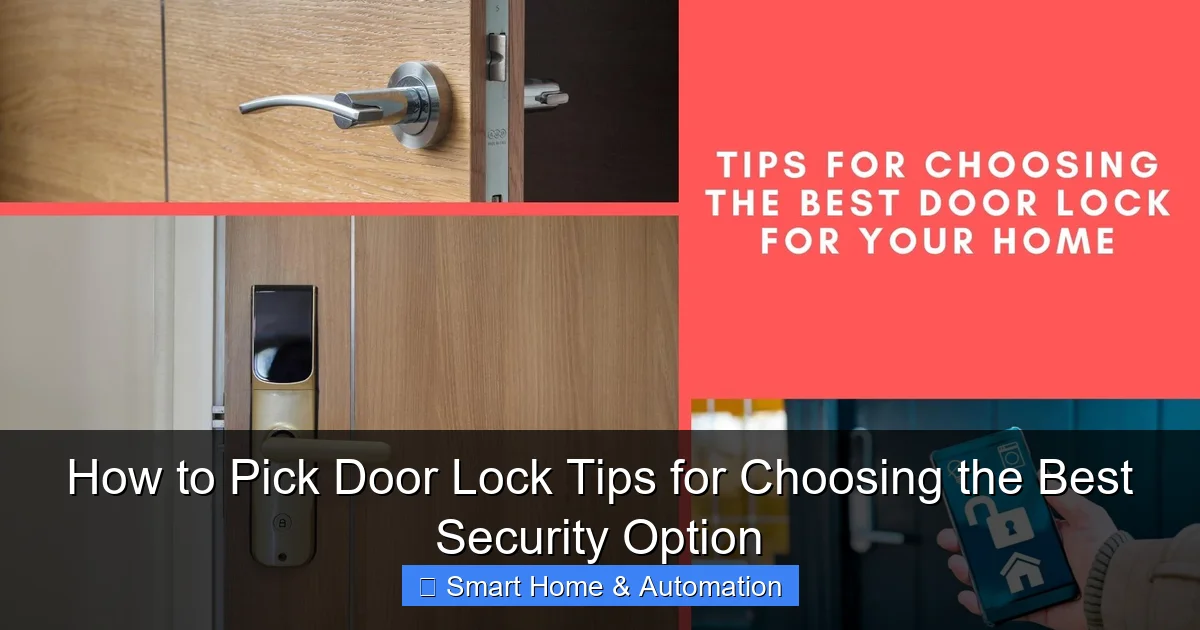
Before you pick a door lock, it’s important to know your options. Each type offers different security levels and features.
Visual guide about How to Pick Door Lock Tips for Choosing the Best Security Option
Image source: locksmithsouthpasadena.net
Deadbolt Locks
Deadbolts are among the most secure locks for exterior doors. They come in single-cylinder and double-cylinder forms. Single-cylinder deadbolts use a key on the outside and a thumb turn inside. Double-cylinder deadbolts require a key on both sides, which can add security but may pose safety risks during emergencies.
Knob Locks
These are commonly used for interior doors but are less secure than deadbolts. Their locking mechanism is inside the knob, making them vulnerable to forced entry.
Lever Handle Locks
Often used in commercial buildings, lever handle locks are easier to operate, especially for people with limited hand strength. They usually come with a locking mechanism similar to knob locks.
Smart Locks
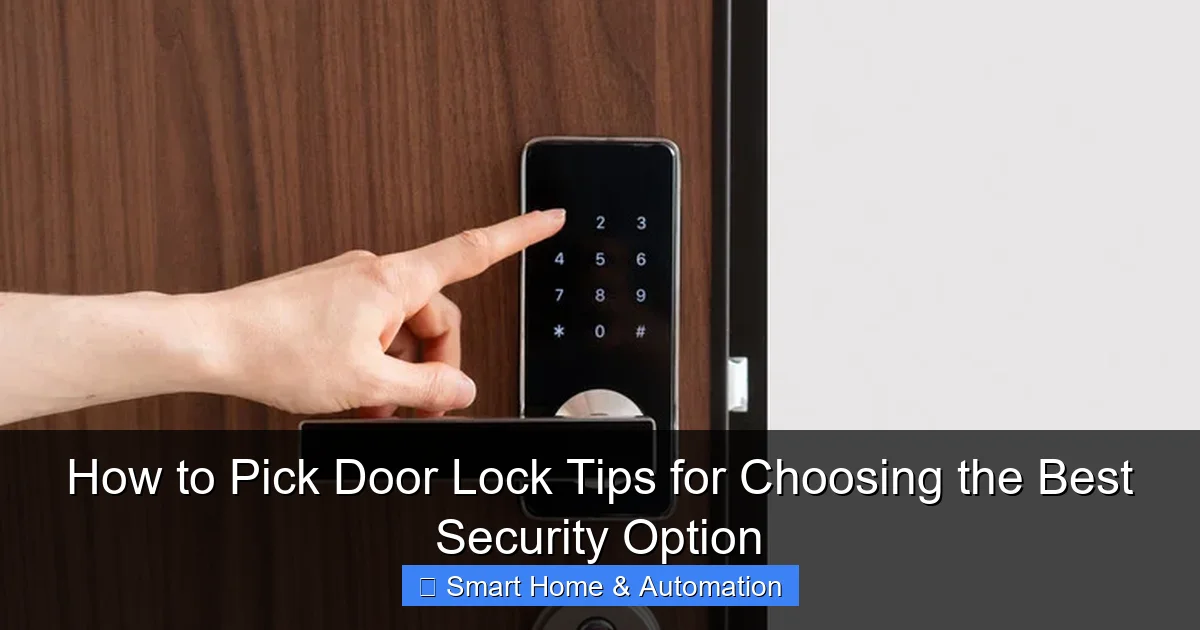
Smart locks provide keyless entry using codes, smartphones, or biometric data. They offer advanced features like remote access, access logs, and integration with home automation systems.
Padlocks
While not typical for front doors, padlocks are useful for securing gates, sheds, or storage units. High-quality padlocks offer good security when used appropriately.
Step 2: Assess Your Security Needs
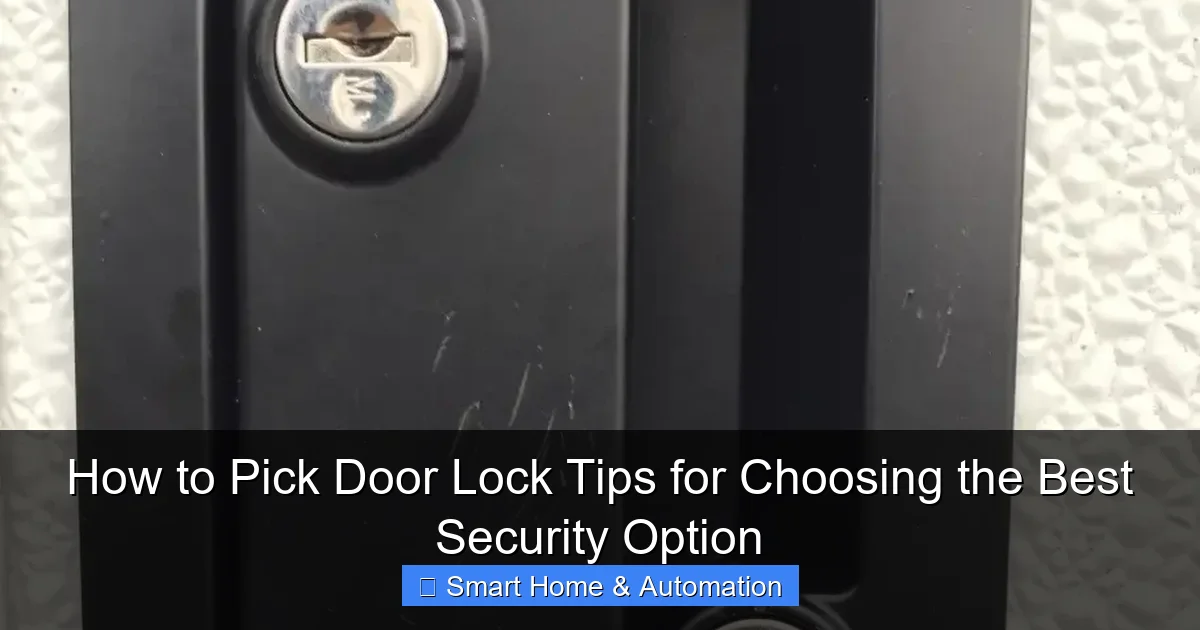
Your choice depends on where the lock will be used and what level of security you require.
Visual guide about How to Pick Door Lock Tips for Choosing the Best Security Option
Image source: i1.wp.com
Evaluate Door Location
Front doors and exterior doors demand stronger locks like deadbolts or smart locks. Interior doors, such as bedrooms or bathrooms, may only need knob or lever locks.
Consider Vulnerability
High-traffic areas or doors accessible from outside need robust locks. If you live in a high-crime area, investing in high-security smart locks or reinforced deadbolts is a smart move.
Think About Convenience
If you want easy access without carrying keys, smart locks are ideal. They’re also great for families or rental properties where multiple users need different access codes.
Step 3: Explore Smart Lock Options and Features
Smart locks are increasingly popular for their convenience and security benefits. Let’s look at what to consider when choosing one.
Visual guide about How to Pick Door Lock Tips for Choosing the Best Security Option
Image source: housedigest.com
Types of Smart Locks
- Keypad locks: Use PIN codes for entry.
- Bluetooth locks: Unlock via smartphone proximity.
- Wi-Fi enabled locks: Allow remote access from anywhere.
- Biometric locks: Use fingerprint or facial recognition.
Integration with Home Systems
Some smart locks can integrate with your home automation system, allowing you to control locks alongside lights, cameras, and alarms. For detailed guidance, check out our article on how to integrate smart locks with existing systems.
Security Features to Look For
- Two-factor authentication
- Auto-locking function
- Activity logs
- Temporary guest access
Step 4: Check Compatibility and Door Preparation
Measure Your Door
Ensure the lock fits your door’s thickness and backset (distance from the edge of the door to the center of the lock hole). Most locks fit standard doors 1 3/8″ to 1 3/4″ thick.
Material and Door Condition
Metal and solid wood doors offer better security and better support for locks. Hollow doors may require reinforcement.
Existing Lock Setup
If you’re upgrading from a traditional lock to a smart lock, verify if your door hardware supports the new device. Some smart locks require specific deadbolt types or door dimensions.
Step 5: Installation Tips and Best Practices
Proper installation is key to a lock’s effectiveness. Here’s how to install your lock correctly.
Gather Tools
- Screwdriver
- Drill
- Measuring tape
- Chisel (if needed)
- Template (usually included)
Follow Manufacturer’s Instructions
Each lock differs, so carefully read the instructions. For smart locks, ensure batteries are fresh and test connectivity before installation.
Secure the Strike Plate
Reinforce the strike plate with longer screws to make the lock more resistant to forced entry.
Test the Lock
After installation, check that the lock operates smoothly from both sides. For smart locks, test remote access and any automation features.
Step 6: Maintenance and Troubleshooting
Regular Maintenance
- Lubricate locks with graphite powder or silicone spray, not oil.
- Check battery levels on smart locks regularly.
- Tighten loose screws.
- Clean keypad or fingerprint sensors gently.
Troubleshooting Common Issues
Lock Sticks or Jams
Lubricate the locking mechanism. Check for misalignment and adjust door or strike plate if needed.
Smart Lock Connectivity Problems
Reset the lock and reconnect to your Wi-Fi or Bluetooth network. Consult the manufacturer’s app troubleshooting tips.
Key Won’t Turn
Try a different key if available. Lubricate the keyhole and ensure there’s no debris inside.
Step 7: Legal and Safety Considerations
Before upgrading, verify local building codes or rental agreements regarding door locks. Avoid double-cylinder deadbolts if they pose a fire hazard due to key requirements on both sides. Always prioritize emergency exit accessibility.
Conclusion
Picking the right door lock is essential for home security and peace of mind. By understanding lock types, assessing your needs, considering smart lock features, and ensuring proper installation, you can enhance your home’s safety effectively. Don’t forget to maintain your locks for long-lasting protection. For more on smart home security, explore how smart locks improve home access control. And if you’re curious about other smart key uses, see our guide on how to unlock car with smart key inside.
🎥 Related Video: How To Pick A Lock Open In Under 40 Seconds (📸:matiri3d)
📺 ArS
lockpicking #interesting Credit: @matiri3D This video perfectly explains how lock picking works.