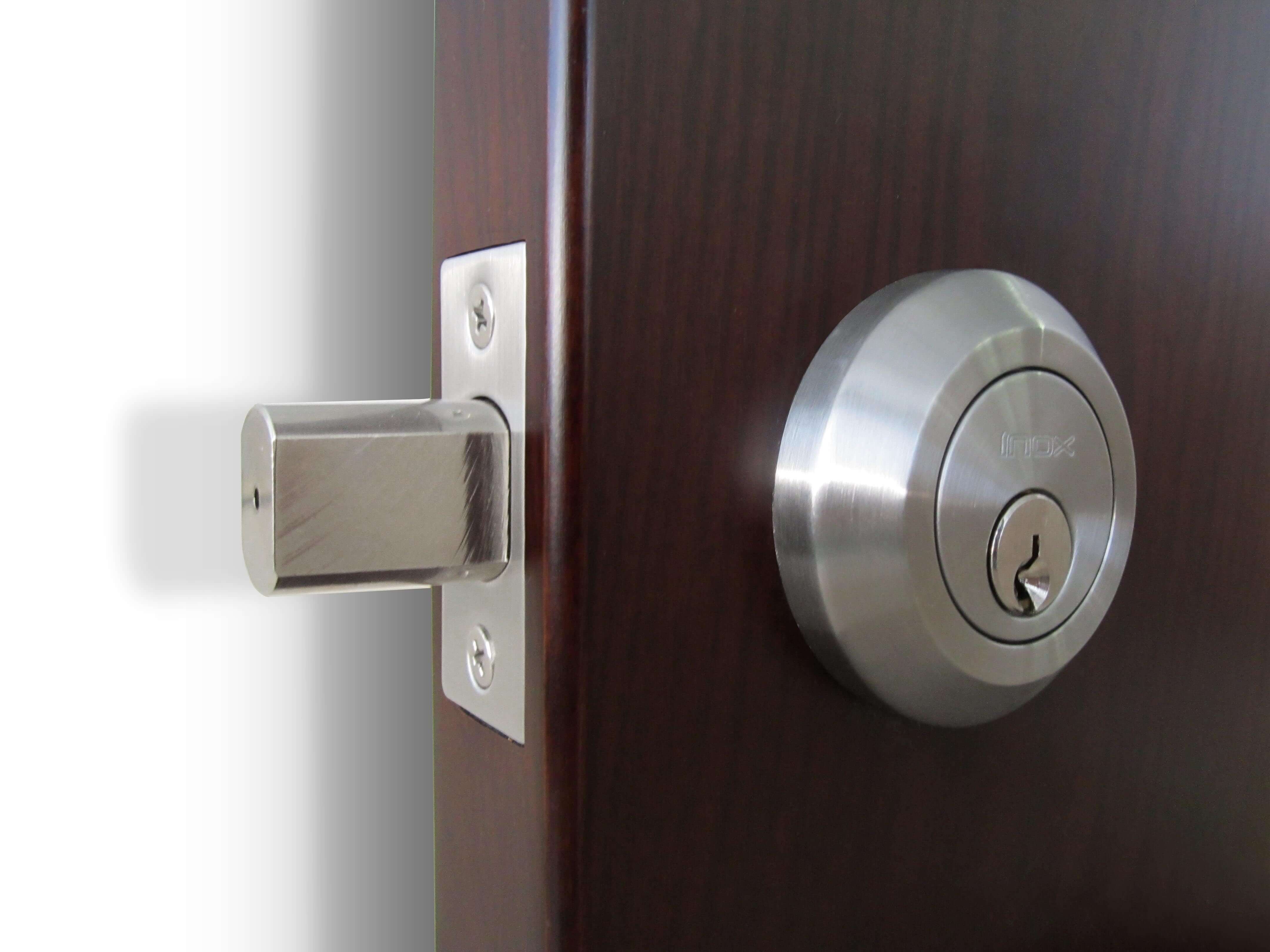
A door lock helps control access to a home, office, or room. For many U.S. homes, a properly installed deadbolt paired with a suitable entry lock is a practical starting point for securing an exterior door. The right choice depends on the door, frame, daily use, and required security features.
Across the United States, a door lock is one of the first things homeowners consider when moving into a house, replacing worn hardware, or improving home security. From suburban homes and city apartments to garages and back doors, each entrance may need a different locking system. A good choice should fit the door, work reliably, and let people leave safely during an emergency.
Door locks come in several forms, including deadbolts, keyed entry locks, privacy locks, keypad locks, and smart locks. Each serves a different purpose. Before buying one, consider who needs access, whether the door faces outdoors, and whether the existing holes and hardware match the new lock. American National Standards Institute and Builders Hardware Manufacturers Association standards also offer a useful way to compare tested lock performance.
This guide explains common door lock types, the features that matter, how to choose compatible hardware, and how to handle basic problems. It also covers maintenance, rental properties, and smart lock limitations so you can make a practical decision without paying for features you may not need.
Source: ar.inspiredpencil.com
What Is a Door Lock and How Does It Work?
A door lock is a mechanical or electronic device that limits access through a door. It usually works with a latch, a bolt, or both. The mechanism holds the door closed until an authorized person uses a key, turns a knob or lever, enters a code, or sends an approved electronic command.
A basic lock has several parts. The lock body contains the working mechanism, while the latch or bolt moves into a matching opening in the door frame. A strike plate surrounds that opening and helps guide the moving part into place. A keyed lock also has a cylinder that accepts the correct key, while a smart lock may use a motor, keypad, wireless connection, or electronic credential.
The frame is part of the security system, not just a place for the lock to rest. If the frame or its attachment is weak, the door may fail even when the lock itself performs as intended. A suitable lock, sound door, secure frame, and correct installation work together.
Source: bidfta.com
Lock body
Houses the mechanism that controls the latch or bolt.
Latch or bolt
Moves into the frame to hold the door closed. A deadbolt generally extends without a spring-loaded beveled latch action.
Accepts a key or an approved electronic credential to control entry.
Strike plate
Provides the receiving point for the latch or bolt and attaches to the door frame.
What Is the Difference Between a Latch and a Deadbolt?
A spring latch usually retracts when someone turns a handle and may retract when pressure is applied to its beveled face. A deadbolt is moved into or out of the locked position by a key, thumb turn, or approved electronic mechanism. It is designed to resist movement when locked, rather than springing back when the door is pushed.
Many exterior doors use both a latch-based entry lock and a deadbolt. The entry lock provides convenient daily operation, while the deadbolt adds a separate locking point. The benefit depends on correct installation and a door assembly that can support the hardware.
Spring latch
Useful for ordinary opening and closing, but its security depends on the lock design and installation.
Deadbolt
Provides a separate locking mechanism commonly used on residential exterior doors.
Common Types of Door Locks
The best type of door lock depends on where it will be used and how people need to enter and leave. An exterior entrance has different needs from a bedroom, bathroom, storage closet, or office. Choosing by function first helps prevent the common mistake of buying attractive hardware that does not suit the door.
The following comparison explains common residential options. It describes typical uses rather than guaranteeing the performance of every product in a category.
Source: fity.club
Deadbolt lock
A common choice for exterior doors. It may use a key on the outside and a thumb turn on the inside. Single-cylinder and double-cylinder designs have different safety implications.
Knob lock
Uses a round knob to operate the latch. It is common on interior doors and some entry doors, but a knob lock alone may provide less resistance to forced entry than a suitable deadbolt.
Lever handle lock
Uses a lever rather than a round knob. It can be easier to operate for people who have limited grip strength, depending on the product and installation.
Mortise lock
Fits into a pocket cut into the door edge. It is found in some older homes, commercial buildings, and higher-end door assemblies, and replacement requires careful measurement.
Rim lock
Mounts on the interior face of the door. Its suitability depends on the door design and the specific lock model.
Keypad lock
Allows entry through a numeric code. Some models are fully mechanical, while others use batteries and electronic controls.
Smart lock
May support phone control, temporary access codes, activity records, or automatic locking. Features vary by model, connectivity, and app support.
Privacy lock
Provides basic privacy for bathrooms and bedrooms, often with an interior button or turn. It is not intended to replace an exterior security lock.
Multipoint lock
Engages locking points at more than one location along the door edge. It is used on certain doors, including some patio and specialty exterior doors, and must match the door system.
Which Door Lock Is Best for an Exterior Door?
For many standard U.S. residential entry doors, a quality deadbolt combined with a compatible entry lock is a sensible starting point. Look for documented performance, a secure installation, and hardware intended for the door’s material and exposure. A lock grade or certification can help with comparison, but it does not guarantee that the whole door assembly will resist every attack.
A sliding patio door, a glass door, or a multipoint entry system may need a different approach. Follow the door manufacturer’s instructions rather than assuming a standard deadbolt will fit or function correctly.
Main entrance
Consider a compatible deadbolt and entry lock, with attention to the door frame and strike plate.
Bedroom or bathroom
Use a privacy lock designed for interior use and emergency access where required.
Sliding patio door
Choose a lock designed for the specific sliding door and its existing hardware.
Office or shared property
Consider access control, key management, privacy needs, and applicable building requirements.
Start by identifying the door’s purpose, construction, and existing hardware. Then compare security performance, ease of use, fit, and maintenance. A suitable lock should work with the door rather than forcing you to alter the door or frame without a clear plan.
Before purchasing a replacement, check the manufacturer’s template and measurements. Common residential locks vary in backset, door thickness, bore size, handing, and mounting requirements. A product described as a standard door lock may still be incompatible with your specific door.
Source: amazon.in
Identify the door material
Wood, metal, fiberglass, and glass doors may require different mounting methods and compatible hardware.
Measure the backset
The backset is the distance from the door edge to the center of the lock bore. Confirm the measurement required by the replacement.
Check door thickness
Confirm that the lock supports the actual thickness of the door and that any extension kit is approved for that model.
Check the bore and edge preparation
Compare the existing hole sizes and latch opening with the manufacturer’s fitting template.
Consider access needs
Choose a handle that users can operate comfortably and that meets applicable accessibility requirements.
Review exposure and finish
For an exterior door, select hardware intended for the expected weather and corrosion conditions.
Understand ANSI and BHMA Lock Grades
ANSI/BHMA standards define performance tests for different hardware categories. Depending on the applicable standard, testing may cover strength, security, durability, operation, dimensions, and finish. The Builders Hardware Manufacturers Association explains that certified products are evaluated against the requirements of the relevant standard.
Do not assume that every product uses the same grading system. Traditional lock categories may use Grades 1, 2, and 3, while newer residential standards can use category-specific labels such as A, B, and C. Check the exact standard and the performance categories shown for the product.
A higher grade within the same applicable grading system generally represents stronger test performance against that standard’s requirements. However, laboratory results do not establish that a lock will perform identically in every real-world installation. Door construction, frame strength, maintenance, and installation quality still matter.
Check the applicable standard
Make sure the grade applies to the specific lock category and intended use.
Verify certification
Look for documentation in the relevant certification directory instead of relying only on marketing language.
Consider the full door assembly
A certified lock cannot correct a damaged door, weak frame, or unsuitable installation.
Mechanical or Smart Door Lock?
A mechanical lock is often a straightforward choice for people who want key-based access without batteries or an app. It can still require key management and periodic maintenance, and lost keys may create a need for rekeying or replacement.
A smart lock can be useful when several people need access or when temporary codes are more practical than physical keys. Some models offer remote control, but this may depend on a compatible hub, bridge, Wi-Fi connection, subscription, or other equipment. Read the current product documentation before assuming a feature is included.
Smart locks introduce additional risks, including depleted batteries, lost account access, software problems, and insecure credentials. Choose a model with a documented recovery method, understand how it behaves during power or network failures, and protect any linked account with a strong unique password and multifactor authentication when available.
Choose mechanical hardware
When you prefer simple operation and do not need remote access or electronic records.
Choose a smart lock
When temporary access, code management, or remote features provide a clear practical benefit.
Check backup access
Confirm whether the model supports a physical key, an external emergency power method, or another manufacturer-approved recovery option.
Door Lock Security Features That Matter
A door lock should make unauthorized entry harder while remaining reliable and safe for authorized users. Look beyond the finish, handle style, and number of keys included in the box. Focus on documented performance, compatibility, installation, and the way the lock will be used.
No residential lock can promise complete protection. A sensible security plan also considers doors, frames, windows, lighting, key control, and other access points. Choose improvements that address the actual weaknesses of the property.
Source: fity.club
Strong installation
Follow the manufacturer’s instructions and use suitable fasteners and strike hardware for the door and frame.
Key control
Know who holds keys and whether the cylinder can be rekeyed by a qualified locksmith.
Documented cylinder features
If resistance to picking or drilling matters, look for independently documented features and applicable testing rather than broad security claims.
Correct door alignment
The bolt should enter the strike without forcing the handle or door. Poor alignment can cause wear and unreliable locking.
Safe inside operation
Confirm that occupants can leave promptly in an emergency and that the hardware meets applicable fire, egress, and building requirements.
Single-Cylinder vs. Double-Cylinder Deadbolts
A single-cylinder deadbolt normally uses a key outside and a thumb turn inside. A double-cylinder deadbolt uses a key on both sides. The second design may address certain situations involving nearby glass, but it can create a serious delay if occupants need to leave quickly.
Do not install a double-cylinder deadbolt without checking local code, the door’s role, and the applicable fire and egress rules. Requirements differ by building and jurisdiction. When safe exit could be affected, seek advice from a qualified locksmith or building professional before changing the hardware.
Single-cylinder design
Allows the lock to be operated from inside with a thumb turn on typical models, which can make emergency exit easier.
Double-cylinder design
Requires a key from either side and may be unsuitable where fast, key-free exit is required.
Why the Door Frame Matters
The deadbolt needs a correctly positioned strike plate and a sound frame to function as intended. Loose screws, cracked wood, a shifting door, or a poorly aligned opening can weaken the overall setup. A more expensive lock will not automatically solve these problems.
Inspect the frame for visible damage and check whether the door closes without excessive force. Any reinforcement must suit the door, frame material, existing construction, and local requirements. If the frame is split, the door is badly warped, or the assembly is part of a fire-rated opening, ask a qualified professional to assess it.
Look for damage
Check the door edge, frame, hinges, and strike area for cracks, looseness, or unusual movement.
Avoid forced alignment
Do not rely on pushing, lifting, or slamming the door to make a bolt engage.
How to Install or Replace a Door Lock
Many like-for-like residential lock replacements are manageable for a careful DIY homeowner, provided the new hardware fits the door and the work does not affect a fire-rated or otherwise regulated door assembly. More complex mortise locks, multipoint systems, electronic wiring, damaged frames, and unfamiliar door preparations may call for a professional.
Before starting, read the complete instructions for the exact lock model. Gather the specified tools, protect the door finish, and make sure the door can remain open while you test the mechanism. Never shut the door until you have confirmed that the lock works correctly from both sides.
Compare the new lock’s backset, bore size, door thickness range, handing, and latch requirements with the existing door.
Step 2: Prepare the work area
Keep the door open, gather the correct tools, and follow the manufacturer’s safety instructions.
Step 3: Remove old hardware
If this is an authorized replacement, remove the existing lock as directed. Keep track of parts and avoid damaging the door or frame.
Step 4: Fit the latch or bolt
Install the supplied components in the specified orientation and confirm that the latch face or bolt assembly sits correctly.
Step 5: Install the lock body
Position the exterior and interior parts as instructed. Tighten fasteners evenly without forcing the mechanism or distorting the door.
Step 6: Fit and check the strike
Confirm that the strike aligns with the latch or bolt and that the door closes naturally.
Step 7: Test before closing
Operate the lock several times with the door open. Check the key, thumb turn, handle, keypad, or approved electronic controls as applicable.
Step 8: Verify safe exit
Close the door only after the open-door checks succeed. Then test normal locking and unlocking from both sides, with a person remaining able to open the door safely.
How Do You Know the Installation Worked?
A successful installation allows the latch and bolt to move smoothly, the door to close without excessive pressure, and the lock to engage without forcing the handle or key. The hardware should remain firmly attached, with no unexpected movement or scraping.
For a smart lock, complete the manufacturer’s setup steps, confirm the correct door handing and locking direction, test each supported access method, and verify the battery status. If calibration fails or the bolt binds, keep the door open and correct the cause before relying on the lock.
Success signs
Smooth movement, correct alignment, secure mounting, and reliable locking and unlocking.
Stop-work signs
Binding, loose components, damaged wiring, unexpected electronic behavior, or any condition that could trap an occupant.
Common Door Lock Problems and How to Troubleshoot Them
A lock that sticks or refuses to turn may have a simple cause, such as a misaligned door, a worn key, a low battery, or dirt inside the mechanism. Start with the least invasive checks and avoid forcing the key, handle, or bolt. Force can turn a minor problem into a broken key or damaged lock.
If the door is part of a required fire exit, cannot be secured, or will not allow occupants to leave safely, treat the problem as urgent. Use a qualified locksmith or appropriate building service rather than attempting an improvised repair.
Source: ar.inspiredpencil.com
The key will not turn
Check that the correct key is being used and that it is not visibly bent or damaged. Test whether door pressure is causing the bolt to bind, without forcing the key. If the problem persists, contact a locksmith.
The deadbolt sticks
With the door open, test the bolt movement. If it works when open but binds when closed, alignment between the bolt and strike may be the cause.
The handle feels loose
Inspect visible mounting hardware and follow the manufacturer’s tightening instructions. Do not overtighten screws or continue using damaged components.
The door will not latch
Check for a loose strike, a shifting door, hinge problems, or a blocked latch opening. Do not enlarge holes or alter the frame without confirming the correct repair.
The smart lock does not respond
Check the battery, keypad or phone status, manufacturer app, and supported connection method. Use only the documented backup procedure.
The lock makes unusual sounds
Stop repeated operation if the mechanism grinds, clicks abnormally, or strains. Check for visible alignment issues and arrange professional service if the sound continues.
Should You Lubricate a Door Lock?
Use only a lubricant approved for the specific lock mechanism. Some cylinders require a designated dry lubricant, while other products have different maintenance instructions. Heavy oil or an unsuitable spray can attract dirt or affect certain lock components.
Follow the manufacturer’s instructions for the product and apply only the recommended amount. If a key still sticks after basic checks, do not keep adding lubricant or force the cylinder. A worn key, damaged cylinder, or internal fault may require repair or replacement.
Read the manual
Confirm the approved lubricant and maintenance interval for the exact model.
Avoid improvised repairs
Do not use excessive force, random chemicals, or aggressive disassembly to free a stuck lock.
Door Lock Maintenance and Key Management
Regular checks can reveal small issues before a lock becomes difficult to use. The right maintenance routine depends on the lock design, how often the door is used, and whether the hardware is exposed to rain, dust, or salt air. Follow the manufacturer’s care instructions rather than applying the same products to every lock.
Include the lock in routine checks of the entire door assembly. Confirm that screws remain secure, the bolt engages smoothly, and the frame has no visible damage. A sudden change in how the door closes deserves attention because it may indicate a shifted door, loose hinges, or a damaged frame rather than a failed lock.
Source: architecturesideas.com
Check operation
Test the lock periodically and look for sticking, unusual sounds, or resistance that was not present before.
Keep hardware clean
Clean the finish with products approved by the manufacturer, especially where corrosion or grime may develop.
Protect keys
Avoid leaving spare keys in obvious outdoor hiding places. Give copies only to trusted people who need access.
Review access
After a move, a change in occupancy, or a lost key, consider rekeying or replacing the cylinder when appropriate.
Maintain smart lock power
Check battery warnings, replace batteries as instructed, and keep the documented recovery procedure available.
Address damage early
Arrange repairs when the door, frame, hinges, strike, or lock body becomes loose or damaged.
Should You Rekey or Replace a Door Lock?
Rekeying changes which key operates a compatible lock cylinder while allowing the existing hardware to remain in place. It can be useful after a move or when you no longer know who has copies of the old key. Not every lock can be rekeyed in the same way, and some models need specific parts or professional service.
Replacement may make more sense when the lock is damaged, obsolete, incompatible with the door, or missing features you need. If the hardware is still in good condition, ask a locksmith whether rekeying is practical before buying a completely new lock.
Consider rekeying
When the existing lock is sound and you want to change who can use its keys.
Consider replacement
When the mechanism is damaged, the door needs a different lock type, or the current hardware is unsuitable.
Door Locks for Apartments, Rentals, and Shared Homes
The best lock for a rental property must balance access control, safety, and permission to change the hardware. Renters should check their lease and speak with the property manager before replacing a lock or altering the door. Some buildings use master-key systems, restricted hardware, or access controls that must remain compatible with the rest of the property.
In shared homes, decide who needs keys or access codes and how access will be removed when a person moves out. Smart locks may simplify temporary access, but shared accounts, reused codes, and poorly managed credentials can undermine the benefit. Give each person the access level they need rather than sharing one permanent code with everyone.
For apartment buildings and commercial properties, do not change a lock that forms part of a required fire door or emergency exit without checking the applicable requirements. Egress hardware must allow occupants to leave as required by the relevant code. A locksmith or building professional can help confirm that the proposed hardware fits the property’s rules.
Source: amazon.co.uk
Before replacing a rental lock
Check the lease, get any required permission, and confirm the approved hardware and key-management process.
When occupants change
Review keys, codes, app permissions, and any access credentials held by former occupants.
For shared access
Use individual codes or credentials when supported, and remove access that is no longer needed.
For regulated doors
Have a qualified professional confirm that replacement hardware meets applicable fire and egress requirements.
What Should You Do After Moving Into a Home?
You may not know how many copies of the existing keys are in circulation. Consider asking a locksmith to assess the current locks and discuss rekeying, replacement, and any problems with the doors or frames.
Also check that every exterior door closes and locks correctly, that windows and secondary entrances have suitable hardware, and that all household members understand how to leave safely. For a smart lock, transfer ownership through the manufacturer’s approved process instead of relying on a previous occupant’s account.
Review existing keys
Find out whether the locks can be rekeyed and whether any restricted-key system applies.
Test every entrance
Check normal operation and arrange repairs for damaged or unreliable doors.
Secure electronic access
Update account ownership, credentials, and access permissions using the manufacturer’s instructions.
Frequently Asked Questions
Q
What Is the Best Type of Door Lock for a House?
For many standard residential exterior doors, a compatible deadbolt paired with an entry lock is a practical starting point. Choose a product with documented performance, check the door and frame condition, and make sure the lock can be installed correctly. Sliding doors, specialty doors, and fire-rated assemblies may require different hardware.
Q
Are Smart Door Locks Safer Than Traditional Locks?
Neither type is automatically safer in every situation. A well-installed mechanical lock avoids electronic account and battery issues, while a smart lock may offer useful access controls and activity records. The actual security depends on the lock design, installation, credential management, software support, and how the lock is used.
Q
Can I Replace a Door Lock Myself?
A like-for-like replacement may be suitable for a careful DIY homeowner if the new lock fits the existing door and frame and the work does not affect regulated hardware. Follow the manufacturer’s instructions and test the lock while the door is open. Hire a qualified professional for damaged frames, complex mortise or multipoint systems, uncertain fit, or work involving fire-rated doors.
Q
How Do I Know Which Size Door Lock to Buy?
Measure the door thickness, backset, existing bore size, and relevant edge preparation. Check the door handing and the manufacturer’s fitting template, too. The product’s supported measurements must match the actual door; appearance alone cannot confirm compatibility.
Q
Should I Change My Locks When I Move Into a New House?
Consider rekeying or replacing the locks because you may not know who has copies of the existing keys. A locksmith can assess whether the current cylinders are compatible with rekeying. Also check the condition of exterior doors, frames, and strike plates.
Q
Why Does My Door Lock Work When the Door Is Open but Not When It Is Closed?
The bolt or latch may be misaligned with the strike because the door has shifted, the hinges are loose, or the frame has changed. Test the mechanism with the door open without forcing it. If the problem occurs only when closed, inspect the alignment and arrange a repair if the cause is not clear.
Q
How Often Should I Maintain a Door Lock?
Follow the manufacturer’s maintenance schedule and check the lock periodically for resistance, loose hardware, damage, or unusual sounds. Exterior locks may need more attention because of weather and dirt. Use only approved cleaning products and lubricants.
Q
Can a Door Lock Be Rekeyed Without Replacing It?
Yes, many keyed locks can be rekeyed by changing the cylinder’s internal configuration so that the old key no longer operates it. Compatibility varies by model, and some locks require special parts or professional service. Rekeying is different from replacing the entire lock.
✦ Wrapping Up
Conclusion
Choosing a door lock starts with the door itself. Consider the location, material, dimensions, intended use, and condition of the frame before comparing features or finishes. A suitable deadbolt, entry lock, privacy lock, or smart lock should meet the needs of the people who use it while supporting safe and reliable operation.
For many U.S. homeowners, a properly installed deadbolt and compatible entry hardware provide a useful starting point for exterior door security. Look for documented performance, understand the limits of the lock’s rating, and remember that installation and door construction matter just as much as the hardware you buy. Smart features can add convenience, but they also require sound account security, battery management, and a reliable backup plan.
Keep the lock clean according to its instructions, address sticking or loose parts early, and review key access after moving or changing occupants. When a lock will not work reliably, the door frame is damaged, or safe exit could be affected, seek qualified help rather than forcing a repair.
💡 Key Takeaway
Before buying a door lock, measure the existing door hardware, identify the lock’s intended use, check the manufacturer’s compatibility and safety instructions, and choose a product with documented performance. Test any new installation with the door open before relying on it.
I’m Ethan Carter, a home security systems specialist at Diggons.com. I focus on modern surveillance solutions and smart protection technologies that help people keep their homes safe and secure.
I have hands-on experience working with security cameras, video doorbells, alarm systems, and motion detection devices. I test real products and explore practical setups so I can provide clear, easy-to-follow guidance for everyday users.
My goal is to simplify home security by helping you understand how these systems work, how to fix common issues, and how to choose the right products with confidence. At Diggons.com, I share honest insights, comparisons, and real-world advice to make home security easier and more effective.