

Quick Answer
Usually no. A standard office chair is normally a personal or work expense, not an HSA expense. A specialized ergonomic chair may qualify when it is medically necessary for a diagnosed condition and supported by strong documentation, often including a Letter of Medical Necessity.
I’m Ryan Mitchell, and I spend a lot of time testing ergonomic office gear and translating confusing benefit rules into plain English. This question comes up all the time. A better chair can help your back, but that does not automatically make it HSA eligible. Here is how I sort it out before anyone buys.
About the author: I write practical office and workspace guides built around real buying decisions, real pain points, and the paperwork that determines whether a purchase actually gets reimbursed.
What an HSA Can and Can’t Pay For
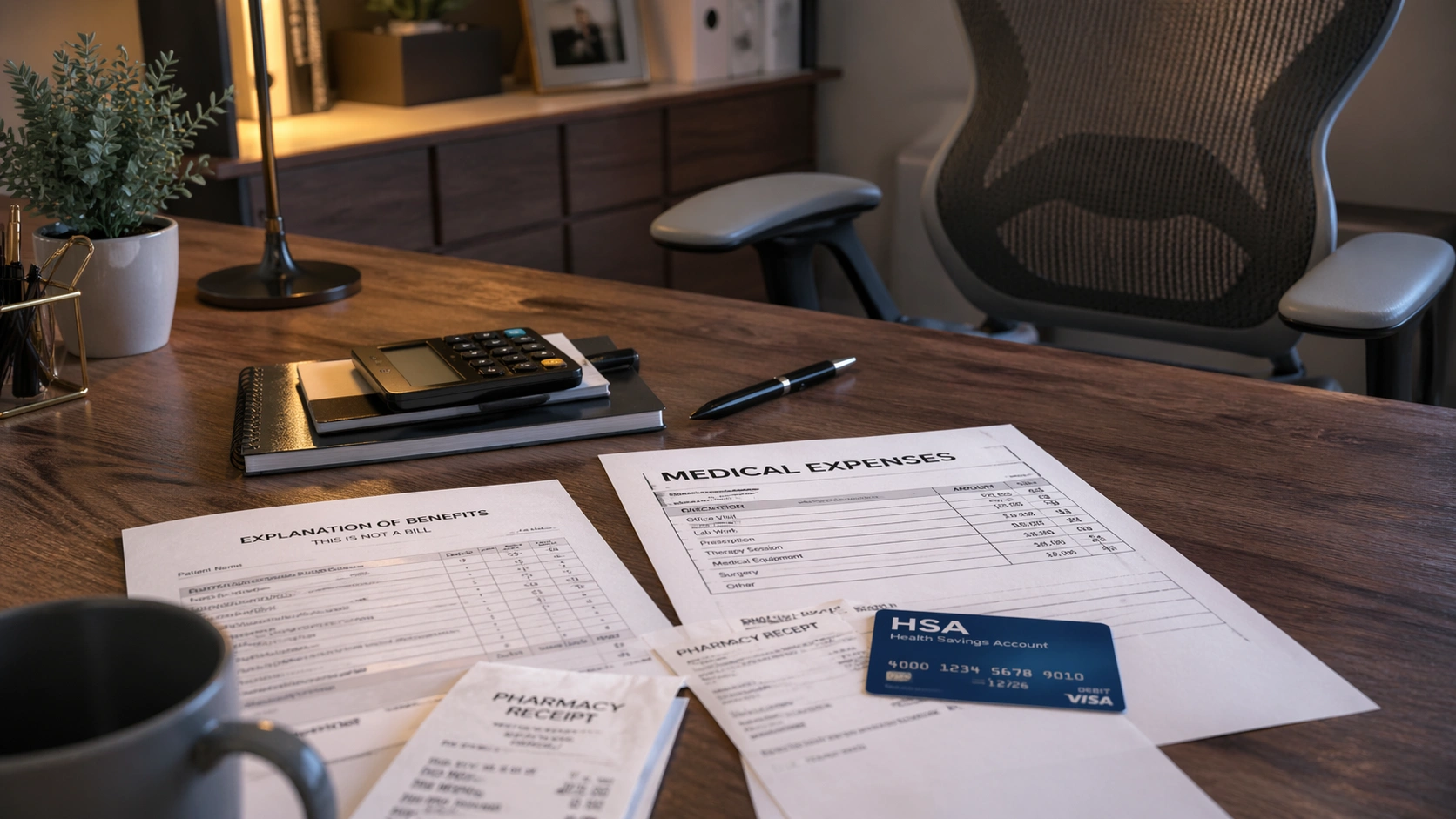
When I review office chair HSA eligibility, I separate comfort from treatment. If a chair is mainly for posture, productivity, or making a home office feel nicer, I treat it like a normal personal or work purchase. If a chair is being used to treat or mitigate a diagnosed medical condition, that is where the conversation changes.
That is why medical necessity matters so much. The closer the chair is to a therapeutic item prescribed for a real condition, the stronger your reimbursement case becomes. The weaker your medical documentation is, the more the chair looks like a personal-use item.
In plain English, this means most people should not assume they can use HSA funds for a regular desk chair just because it is labeled ergonomic. Marketing language is not the same as medical proof.
How Office Chair HSA Eligibility Works
Standard office chair vs specialized ergonomic chair
A regular office chair is usually the hardest claim to justify because it is an item most people buy for everyday living or work. A specialized ergonomic chair is different. It can be set up to address lumbar positioning, coccyx pressure, seat depth, limited mobility, or other treatment-related needs.
Why documentation changes everything
In my experience, the paperwork decides this more than the product page. Words like “orthopedic,” “back relief,” or “ergonomic” are not enough by themselves. What matters is whether a licensed provider can connect the chair to a diagnosed condition and explain why a standard chair is not enough.
Card purchase vs reimbursement request
Even if the chair could qualify, your HSA card may still be declined at checkout. Many furniture stores are not coded like medical merchants. In that situation, the cleaner move is often to pay out of pocket first, then request reimbursement with your receipt and supporting documents.
| Item type | Typical HSA outcome | Documentation burden | My take |
|---|---|---|---|
| Standard office chair | Usually not eligible | High | Best bought with personal or work funds |
| Specialized ergonomic chair | Possible in the right case | Very high | Worth trying only when tied to a diagnosed condition |
| Lumbar support pillow | Often easier to support | Low to medium | A smart first step for many buyers |
| Therapeutic seat cushion | Varies by product and documentation | Medium | Useful for targeted relief without replacing the whole chair |
| Standing desk | Usually not eligible | High | Better treated as a productivity or comfort purchase |
How to Use HSA for an Ergonomic Chair Without Making a Costly Mistake
Step 1: Confirm you have a diagnosed medical reason
Start with the condition, not the chair. Chronic lower back pain, sciatica, tailbone pain, post-surgery restrictions, pressure-related pain, or another documented issue creates a much stronger claim than general soreness from long workdays.
Step 2: Ask your provider for a Letter of Medical Necessity
I recommend asking for a letter that explains the diagnosis, why the chair is part of treatment, what features are medically required, and how long the item is expected to be used. A vague letter is one of the fastest ways to get a claim delayed or denied.
Step 3: Choose features tied to treatment, not hype
Focus on features your provider can actually justify. That might include adjustable lumbar depth, seat depth, coccyx relief, pressure distribution, limited recline angles, head and neck support, or high adjustability for mobility needs. The more medically specific the chair is, the easier it is to defend.
Step 4: Check with your HSA administrator before you buy
This is the step most people skip. I like to send the product page, price, and Letter of Medical Necessity to the administrator first. A quick yes or no can save a big reimbursement problem later.
Step 5: Save every record
Keep the receipt, product page, provider note, Letter of Medical Necessity, and any approval email. If you reimburse yourself later, these records matter even more.
Office Chair vs Lumbar Support vs Standing Desk: Which Option Makes More Sense?
If your main goal is pain relief with the least reimbursement friction, I usually tell people to start small. A targeted support item can solve the problem without forcing you into a large claim that looks like a general office upgrade.
| Option | Best for | Claim difficulty | Budget impact |
|---|---|---|---|
| Standard office chair | Comfort and daily work use | High | Medium to high |
| Specialized ergonomic chair | Documented treatment-related seating needs | Very high | High |
| Lumbar support pillow | Lower back support | Lower | Low |
| Coccyx or pressure-relief seat cushion | Tailbone and pressure pain | Medium | Low to medium |
| Standing desk | Work style changes and position variety | High | Medium to high |
If I were helping someone build a claim-friendly workspace, I would usually try lumbar support or a therapeutic seat cushion first. A full ergonomic chair can still make sense, but only when the medical need is clear and documented.
Why Your Office Chair HSA Claim Gets Denied

The chair looks like a normal personal expense
This is the biggest issue. If the purchase looks like something almost anyone would buy for a home office, the administrator has little reason to treat it like medical care.
Your documentation is too vague
“Back pain” is usually not enough. A better claim explains the diagnosis, why a standard chair does not work, and which chair features are part of treatment.
Your HSA card was declined at checkout
This often happens because the store is not categorized like a medical seller. A declined card does not always mean the item can never qualify. It may just mean you need to submit a manual reimbursement request instead.
You bought first and asked later
That move creates avoidable risk. Some administrators want the medical documentation reviewed before the purchase date. Even when that is not strictly required, getting advance confirmation makes the claim cleaner.
| Problem | Likely cause | Practical fix |
|---|---|---|
| HSA card declined | Merchant coding or substantiation issue | Pay personally and submit for reimbursement |
| Claim denied as personal expense | No strong medical tie to the chair | Update documentation to explain why a standard chair is not enough |
| Receipt was not enough | No Letter of Medical Necessity or feature explanation | Add provider documentation and product details |
| Claim delayed | LMN too generic or missing dates | Get a revised letter with diagnosis, duration, and required features |
| Bought before approval | Plan wants prior substantiation | Ask whether retroactive review is allowed before assuming reimbursement |
Common Office Chair HSA Mistakes to Avoid
Assuming “ergonomic” automatically means eligible
I see this mistake all the time. Ergonomic is a comfort and design word. It is not automatic proof of medical necessity.
Trying to claim a full office makeover
A chair, desk, monitor arm, footrest, and lighting package bought together looks like a workspace upgrade, not medical treatment. Keep the claim narrow and focused.
Forgetting about double reimbursement
If your employer reimburses the chair, or you deduct it another way, do not also try to use HSA funds for the same expense. That is where recordkeeping matters.
Skipping screenshots and supporting details
Do not rely on the receipt alone. Save the product page and the exact features that matter for treatment. That makes the claim much easier to explain later.
Pro Tips and Best Practices
Match the chair to the diagnosis
The best claims are specific. If the issue is tailbone pain, the chair or cushion should address tailbone pressure. If the issue is lumbar instability, the feature list should reflect that.
Ask your provider to describe why a standard chair is not enough
This single sentence can make a huge difference. It helps move the purchase out of the “ordinary personal item” bucket and into the medical-treatment conversation.
Start with the smallest targeted solution
If a lumbar support or therapeutic seat cushion can solve the problem, that is often the cleaner path. It costs less, creates less paperwork, and can still improve your daily comfort.
Keep a simple documentation folder
I like a single folder with the receipt, product page, provider note, and reimbursement confirmation. If you ever need to explain the purchase, everything is already in one place.
Support Tools I’d Consider Before Spending Big
These are workspace comfort picks first. They are not automatically HSA eligible purchases. I would only try to use HSA funds when the medical reason is real and the paperwork supports it.
Adjustable Ergonomic Office Chair with Lumbar Support
Best for full-day sitting when you need multiple adjustments your provider can actually justify in writing.
Memory Foam Lumbar Support Pillow
A lower-cost way to improve back support and, in many cases, a simpler item to document than replacing the entire chair.
Coccyx Seat Cushion for Office Chair
A strong option when pressure relief and tailbone comfort matter more than buying a whole new office chair.
If I had to choose a starting point, I would buy the smallest medically targeted item that solves the pain problem. That is usually easier on your budget and easier to explain if reimbursement is reviewed.
Official Sources I Check Before I Spend HSA Money
When I want the rule in plain English, I start with IRS Publication 502. It is the best place to understand what counts as medical care and what looks like a personal expense.
For current item-level guidance, I check the HSA Store specialized or ergonomic chair eligibility page. It is a fast way to see how current chair reimbursement is being categorized.
For documentation, I review the HealthEquity Letter of Medical Necessity guide. It helps me see what details administrators typically want before they approve a borderline expense.
FAQ
Can I use my HSA card to buy an office chair?
Sometimes the card will not work even if the expense might qualify. Furniture sellers often trigger manual review, so reimbursement after purchase is often the cleaner path.
Are ergonomic office chairs HSA eligible?
Not automatically. A specialized ergonomic chair may qualify when it is tied to a diagnosed medical condition and supported by the right documentation.
Do I need a Letter of Medical Necessity for an office chair?
In most real-world cases, yes. If a chair is not clearly medical equipment, a strong Letter of Medical Necessity is usually what gives the claim a chance.
Can I reimburse myself later from my HSA for a chair?
Usually yes, as long as the expense is truly qualified, happened after the HSA was established, and you kept the records. I still recommend checking with your administrator first.
Is a standing desk HSA eligible?
Usually no. A standing desk is generally treated more like a workspace or comfort item than a qualified medical expense.
What happens if I use HSA money for a non-qualified office chair?
You may owe income tax and possibly an extra penalty on that distribution. If you think you made a mistake, address it quickly with your HSA custodian or tax adviser.
Are lumbar supports or seat cushions easier to qualify than a full chair?
Often, yes. A smaller, more targeted support item can be easier to connect to treatment than a full office chair replacement.
Conclusion
If you are asking, “can I use HSA for office chair,” the safest answer is usually no for a standard chair and maybe for a specialized chair with strong medical documentation. That one difference matters.
My advice is simple. Start with the diagnosis. Get the paperwork. Verify with your administrator. Then buy the smallest support tool or chair that clearly matches the treatment need.
Ryan Mitchell
I test office and workspace gear, study reimbursement rules that affect real buyers, and turn messy purchase decisions into practical step-by-step guides people can actually use.