

Locking your door with a key is a simple yet essential security measure for any home or office. This step-by-step guide will teach you how to properly lock your door using a key, provide practical tips, and help you troubleshoot common issues to ensure your property stays safe and secure.
Key Takeaways
- Understand the lock type: Different locks require different key techniques for effective locking.
- Proper key insertion: Insert the key fully and turn gently to avoid damaging the lock.
- Use both deadbolt and latch locks: Combining locks boosts security significantly.
- Maintain your lock: Lubricate and clean locks regularly to ensure smooth operation.
- Know troubleshooting tips: Learn how to handle stuck keys or locks that don’t engage properly.
- Consider upgrading to smart locks: Explore integrating smart lock systems for enhanced home access control.
- Regularly check lock functionality: Test your locks often to ensure consistent security.
How to Lock Door with Key Step by Step Guide for Security
Locking your door with a key is one of the simplest ways to secure your home or office. While it may seem straightforward, knowing the correct steps can help prevent damage to your lock and ensure your security is not compromised. In this guide, you will learn how to properly lock a door with a key, tips to maintain your locks, troubleshooting common problems, and even how smart locks can improve your home’s security.
Step 1: Identify Your Door Lock Type
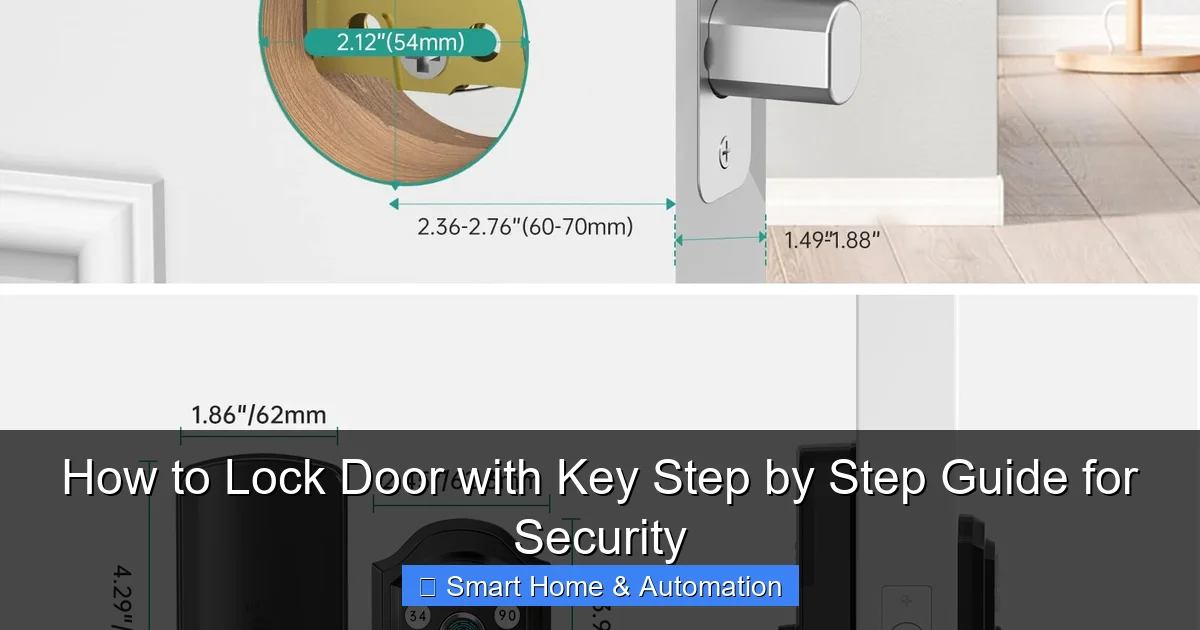
The first step before locking any door with a key is to identify the type of lock installed. Common lock types include:
Visual guide about How to Lock Door with Key Step by Step Guide for Security
Image source: hornbilllock.com
- Deadbolt locks
- Latch locks (also known as spring bolt locks)
- Mortise locks
Knowing your lock type helps you understand how the key interacts with the mechanism. Most residential doors use deadbolts combined with latch locks for better security.
Step 2: Hold the Key Correctly
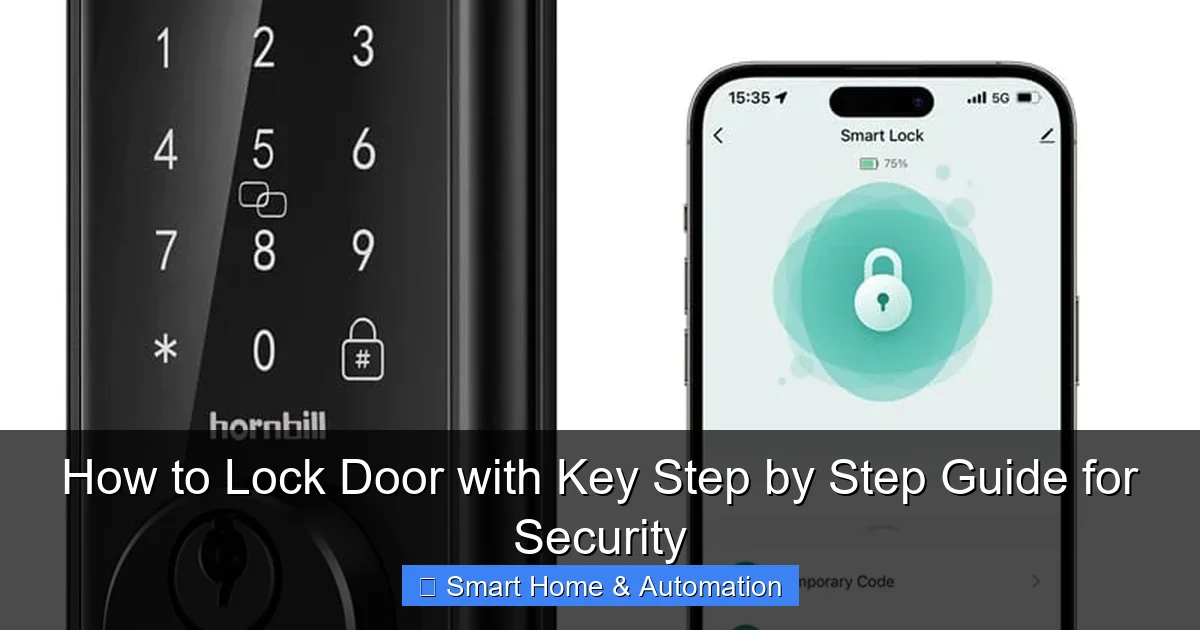
Gripping the key properly makes turning easier and reduces wear on the lock. Follow these tips:
Visual guide about How to Lock Door with Key Step by Step Guide for Security
Image source: hornbilllock.com
Insert the Key Fully
Make sure the entire key slides into the keyhole. Partial insertion can cause the key to jam or damage the lock pins.
Grip the Key Firmly
Hold the key between your thumb and index finger near the bow (the wider part) to control the turning motion.
Step 3: Insert and Turn the Key to Lock
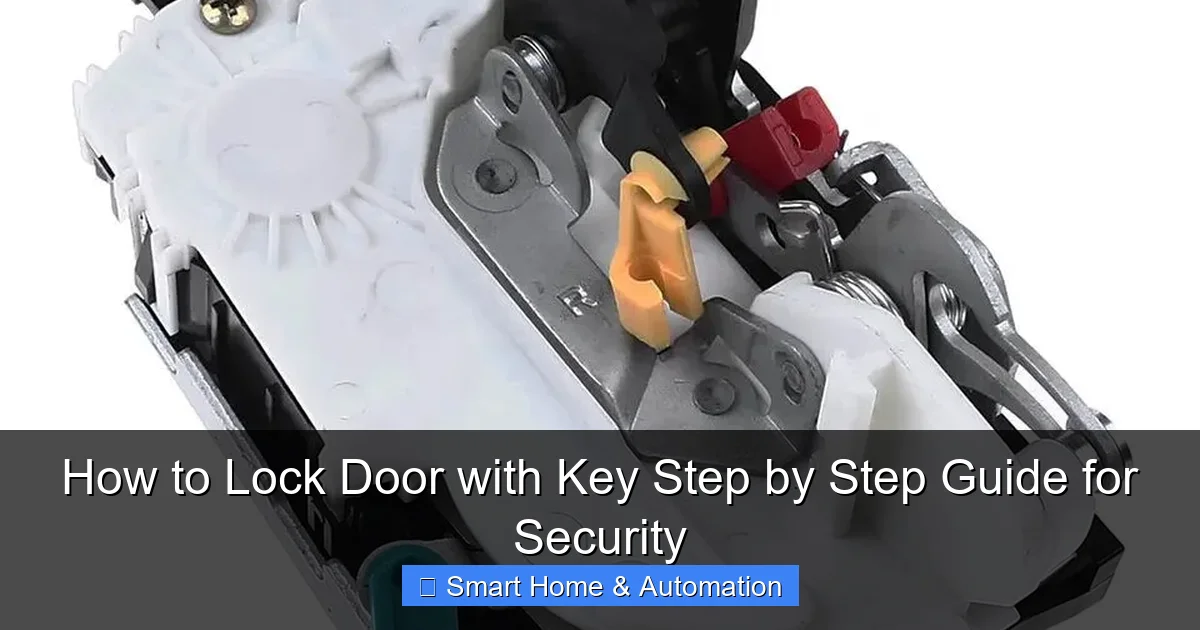
Insert the Key Straight into the Lock
Avoid bending the key as you insert it. Align it with the keyhole and push gently until it stops.
Visual guide about How to Lock Door with Key Step by Step Guide for Security
Image source: gleefulautoparts.com
Turn the Key Smoothly
Rotate the key clockwise or counterclockwise depending on your lock’s design. Do this gently but firmly until you feel resistance indicating the lock has engaged.
Remove the Key Carefully
Once locked, turn the key back to the neutral position if necessary, then pull it straight out. Avoid wiggling the key as it can damage the lock pins.
Step 4: Engage Both Deadbolt and Latch Locks
For optimal security, always use both the deadbolt and the latch lock if your door has them. The latch lock provides quick locking, while the deadbolt offers strong resistance against forced entry.
Lock the latch first by simply closing the door and pushing the handle down, then use your key to turn the deadbolt lock fully.
Step 5: Test Your Lock
After locking, gently attempt to open the door without using the key. This test ensures that your lock engaged properly and your door is secure.
If the door opens easily, reinsert the key and try turning it again until the lock clicks into place.
Step 6: Maintain Your Lock for Longevity
Locks require regular maintenance to function smoothly and last longer. Here are some tips:
- Lubricate the lock: Use graphite powder or a silicone-based lubricant every six months to prevent sticking.
- Keep the key clean: Dirt on the key can transfer to the lock, causing jams.
- Inspect for wear: Look for signs of rust or damage on the lock and replace parts if necessary.
Step 7: Troubleshooting Common Lock Issues
Even with proper care, you might encounter problems locking your door. Here’s how to solve common issues:
Key Won’t Turn
- Make sure the key is fully inserted.
- Try gently wiggling the key while turning.
- Lubricate the lock if it feels stiff.
- If issues persist, the lock may need professional servicing.
Key Stuck in Lock
- Don’t force the key; apply a small amount of lubricant around the keyhole.
- Gently pull the key while turning it back and forth.
- If stuck, avoid using excessive force to prevent breaking the key inside.
Door Won’t Lock Fully
- Check if the door is properly aligned with the frame.
- Inspect the strike plate to ensure it’s not loose or damaged.
- Sometimes, adjusting the door hinges can solve alignment issues.
Step 8: Consider Smart Locks for Enhanced Security
While traditional locks with keys are reliable, smart locks offer advanced features such as remote access and integration with home automation systems. If you’re interested, learn more about how to integrate smart locks with existing systems to upgrade your home security effortlessly.
Smart keys provide keyless entry options and can enhance your home’s access control, making it easier and safer to manage who enters your property. To understand these modern solutions better, check out what is a smart key and discover the benefits.
Additional Security Tips
- Always double-check that your door is locked before leaving or going to bed.
- Consider installing a deadbolt if your door only has a latch lock.
- Use reinforced strike plates to strengthen door frames.
- Keep spare keys in secure locations or with trusted individuals.
- Combine mechanical locks with smart locks to improve home access control; learn more about how smart locks improve home access control.
Conclusion
Locking your door with a key is a fundamental step in securing your home or office. By following these simple steps and maintaining your locks, you can enhance your property’s safety effectively. Remember to handle your keys carefully, test your locks regularly, and consider upgrading to smart lock technology for even better control and security. With these tips, your door locking routine will be smooth, reliable, and provide peace of mind.
🎥 Related Video: Tuya WiFi Smart Electronic Door Lock Biometric Fingerprint With Doorbell Notification APP Control
📺 Yagusmart
Aliexpress Link: https://www.aliexpress.com/item/1005003390399985.html Features: – Tuya Smart APP / Fingerprint / Password …