

Smart key security is a modern vehicle protection system that uses wireless technology to secure your car without traditional keys. This guide explains how smart key systems work, their security benefits, and practical tips to keep your vehicle safe. Learn how smart key technology offers convenience and enhanced protection against theft.
Key Takeaways
- Smart key security uses wireless signals: It allows keyless entry and ignition through encrypted communication between the key fob and car.
- Enhanced anti-theft protection: Smart keys reduce risks of car theft by disabling traditional lock picking and hot-wiring methods.
- Convenience and ease of use: No need to insert a key physically; simply have the key fob nearby to lock, unlock, or start your vehicle.
- Common vulnerabilities exist: Relay attacks and signal jamming can target smart key systems, but countermeasures help mitigate risks.
- Practical tips improve security: Storing your key fob in signal-blocking pouches and regular software updates enhance protection.
- Integration with smart home systems is possible: Smart key technology can complement home automation and security setups.
- Understanding how smart keys work is essential: Learn the technology behind smart keys for better security awareness.
What Is Smart Key Security and How It Protects Your Vehicle
In this guide, you will learn everything you need to know about smart key security — a cutting-edge system designed to protect your vehicle and make your driving experience more convenient. We’ll explore how smart key systems work, the benefits they offer, potential risks, and practical steps you can take to maximize your vehicle’s security. Whether you’re new to smart keys or looking to enhance your car safety, this guide will walk you through the essentials.
Understanding Smart Key Security
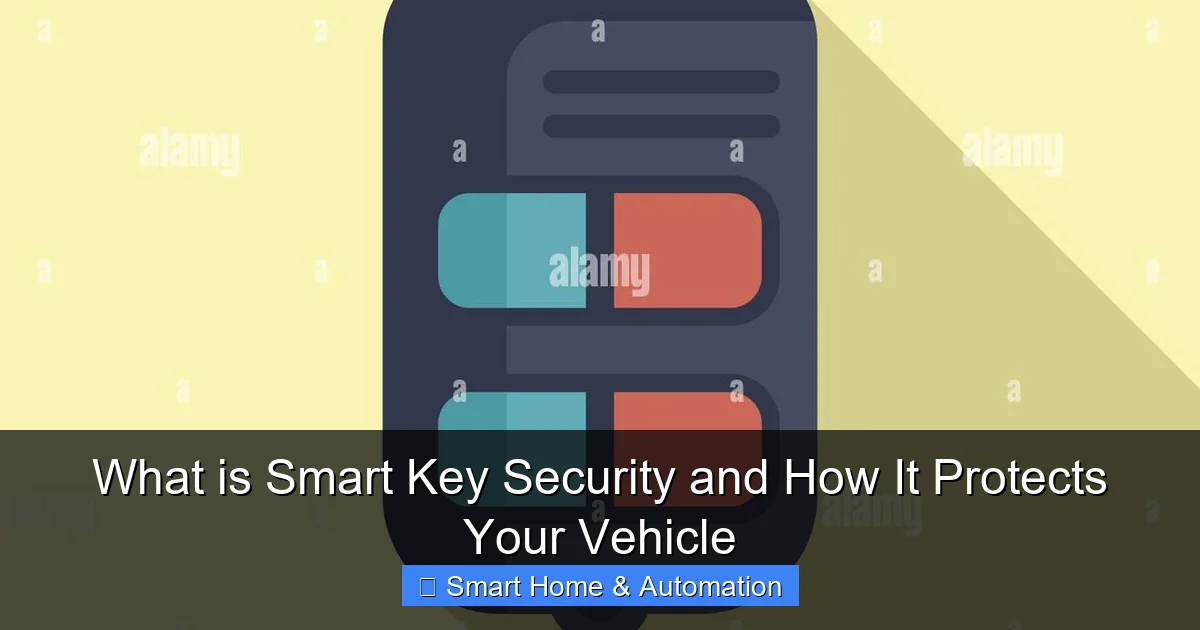
Smart key security refers to the use of a wireless electronic key system that allows you to lock, unlock, and start your vehicle without inserting a traditional key. Instead, the system uses a key fob that communicates with your car through encrypted radio signals. When the key fob is within a certain range, the vehicle recognizes it and grants access.
Visual guide about What is Smart Key Security and How It Protects Your Vehicle
Image source: image.shutterstock.com
To learn more about the basics, you can check out our detailed explanation on What Is A Smart Key.
How Smart Key Security Works
Step 1: Wireless Communication
Your smart key fob sends a unique encrypted signal to the vehicle when you approach it. This signal identifies the authorized key and triggers the vehicle to unlock the doors automatically or allow you to start the engine.
Visual guide about What is Smart Key Security and How It Protects Your Vehicle
Image source: lebloksecurity.com
Step 2: Proximity Detection
The vehicle uses sensors to detect the presence of the smart key within a certain distance, usually a few feet. Once the key is detected, the car’s security system disables the traditional mechanical lock and ignition functions.
Step 3: Encrypted Authentication
To prevent unauthorized access, the communication between the key and vehicle is encrypted. The vehicle will only respond to the specific encrypted code from your key fob, making it difficult for thieves to clone or intercept the signal.
Benefits of Smart Key Security
- Convenience: No need to fumble with keys. Just have your key fob in your pocket or bag.
- Speed: Quickly unlock and start your vehicle with minimal effort.
- Reduced Theft Risk: Traditional lock-picking and hot-wiring are ineffective against smart key systems.
- Additional Features: Some systems include remote start, panic alarms, and automatic locking.
Common Vulnerabilities and How to Protect Against Them
While smart key security is advanced, it’s not completely foolproof. Here are some common risks and how to reduce them:
Visual guide about What is Smart Key Security and How It Protects Your Vehicle
Image source: c8.alamy.com
Relay Attacks
Thieves use devices to amplify the key fob’s signal from inside your home to unlock and start your car. This can happen even if the key is far from the vehicle.
Protection Tips:
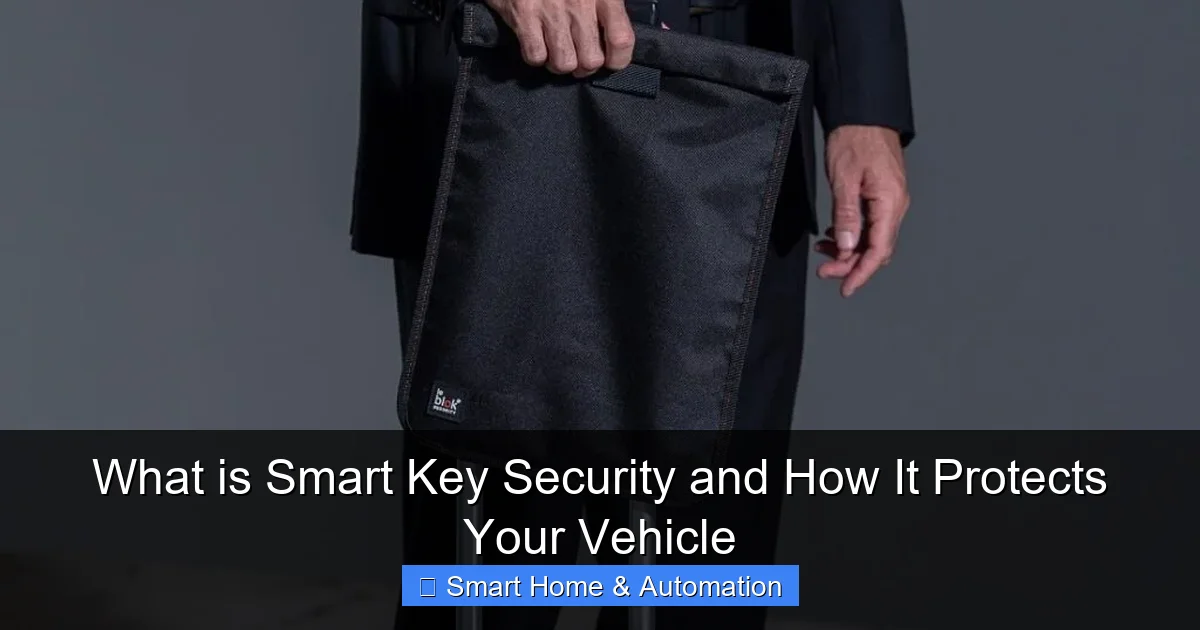
- Keep your key fob in a Faraday pouch or metal container that blocks signals.
- Store keys away from doors and windows.
- Consider disabling passive entry features if your vehicle allows it.
Signal Jamming
Attackers can jam the signal, preventing your car from locking properly.
Protection Tips:
- Always double-check that your vehicle locks after you leave.
- Use physical steering wheel locks as a backup security measure.
How to Use Smart Key Security for Your Vehicle
Step 1: Familiarize Yourself With Your Key Fob
Understand all buttons and features your smart key offers, such as lock, unlock, trunk release, and panic alarm.
Step 2: Enable Passive Entry and Start
Most vehicles with smart keys have passive entry—unlocking when the key is near—and push-button start. Activate these features as per your vehicle’s manual to maximize convenience.
Step 3: Secure Your Key Fob
Use a signal-blocking pouch or case to prevent relay attacks. When not in use, store your key away from exterior walls.
Step 4: Regularly Update Vehicle Software
Manufacturers often release updates to improve security. Connect your vehicle to authorized service centers or use onboard updates.
Step 5: Use Additional Physical Security Devices
Consider steering wheel locks or brake pedal locks to add an extra layer of protection, especially when parking in risky areas.
Integrating Smart Key Security with Home Automation
Smart key security can be part of a broader smart home and access control system. For example, integrating your vehicle’s smart key system with your home automation might allow you to trigger garage doors or home security systems automatically when you arrive or leave.
If you already use smart locks at home, learning how to integrate smart locks with existing systems can help create a seamless security experience between your home and car.
Troubleshooting Common Smart Key Issues
Problem: Vehicle Does Not Detect Key Fob
- Check key fob battery and replace if low.
- Ensure key fob is within range and not blocked by metal objects.
- Try using a spare key fob if available.
Problem: Car Won’t Start with Smart Key
- Verify the key fob is inside the vehicle.
- Check for dashboard error messages.
- Consult your vehicle manual for reset procedures.
Problem: Doors Don’t Lock Automatically
- Check vehicle settings to ensure automatic locking is enabled.
- Test locking manually and observe any error sounds or lights.
Conclusion
Smart key security offers a convenient and advanced way to protect your vehicle from theft while simplifying everyday use. By understanding how these systems work and following practical security tips, you can significantly reduce the risk of unauthorized access. Remember to keep your key fob safe, stay aware of potential vulnerabilities like relay attacks, and integrate your vehicle’s security with your smart home setup for maximum protection. For more detailed information on smart key technology and related security solutions, explore our other guides on what is a smart key and how to unlock car with smart key inside.
🎥 Related Video: How to protect your keyless car from theft
📺 Associated Press
Auto technology has evolved and many newer cars use wireless key fobs and push-button starters instead of traditional metal …