

Locking your door with a keypad is a modern, convenient way to secure your home without keys. In this guide, you’ll discover easy steps to install, program, and use keypad locks for enhanced access control and peace of mind.
Key Takeaways
- Keypad locks offer keyless convenience: No need to carry or lose keys, making access easier.
- Installation is straightforward: Most keypad locks fit standard doors and come with simple setup instructions.
- Programming user codes is essential: You can set and manage multiple access codes for family or guests.
- Regular maintenance ensures reliability: Battery checks and code updates keep your lock secure and functional.
- Troubleshooting common issues is simple: Learn how to reset codes or fix keypad errors quickly.
- Integration with smart home systems is possible: Enhance security by combining keypad locks with other smart devices.
- Keypad locks improve overall home access control: They provide flexible, controlled entry options to your property.
How to Lock Door with Keypad Easy Steps for Secure Access
Welcome! If you want to learn how to lock a door with a keypad, you’re in the right place. This guide will walk you through everything—from choosing the right keypad lock to installing it, programming access codes, and maintaining your system for safety and convenience. Keypad locks are a great upgrade to traditional locks, offering keyless entry and improved access control.
What You Will Learn
By the end of this guide, you will know how to:
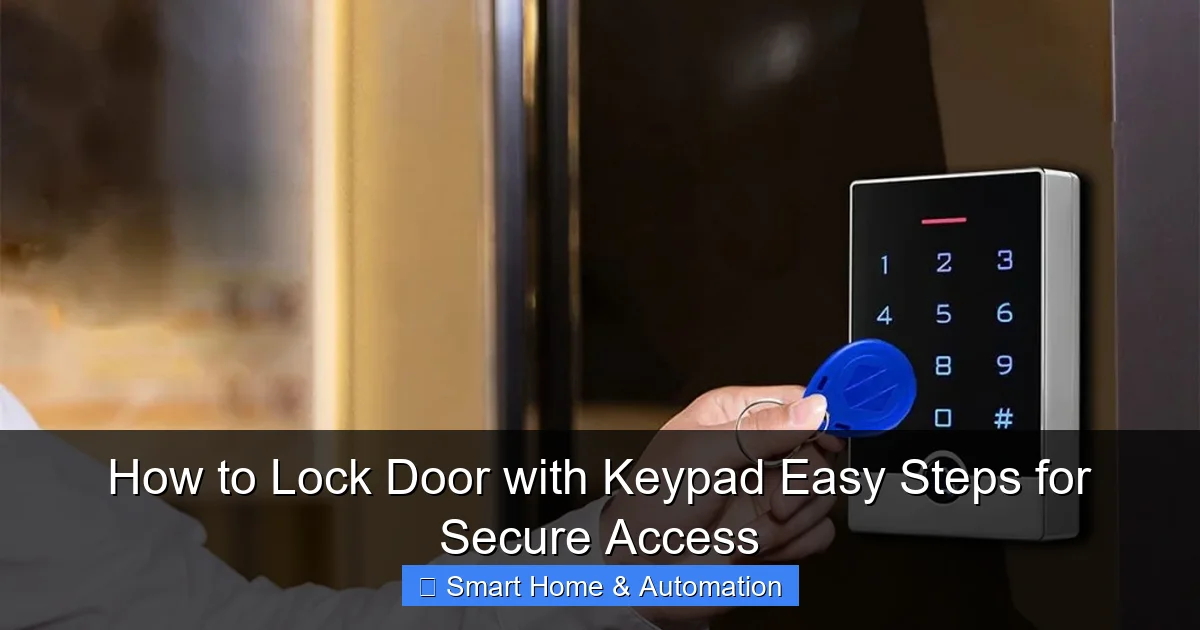
Visual guide about How to Lock Door with Keypad Easy Steps for Secure Access
Image source: toncont.com
- Choose the best keypad lock for your door and needs.
- Install the keypad lock safely and correctly.
- Program user codes for secure keyless entry.
- Maintain and troubleshoot your keypad lock.
- Understand how keypad locks integrate with smart home systems.
Step 1: Choose the Right Keypad Lock
Before you start, it’s important to pick a keypad lock that fits your door and lifestyle.
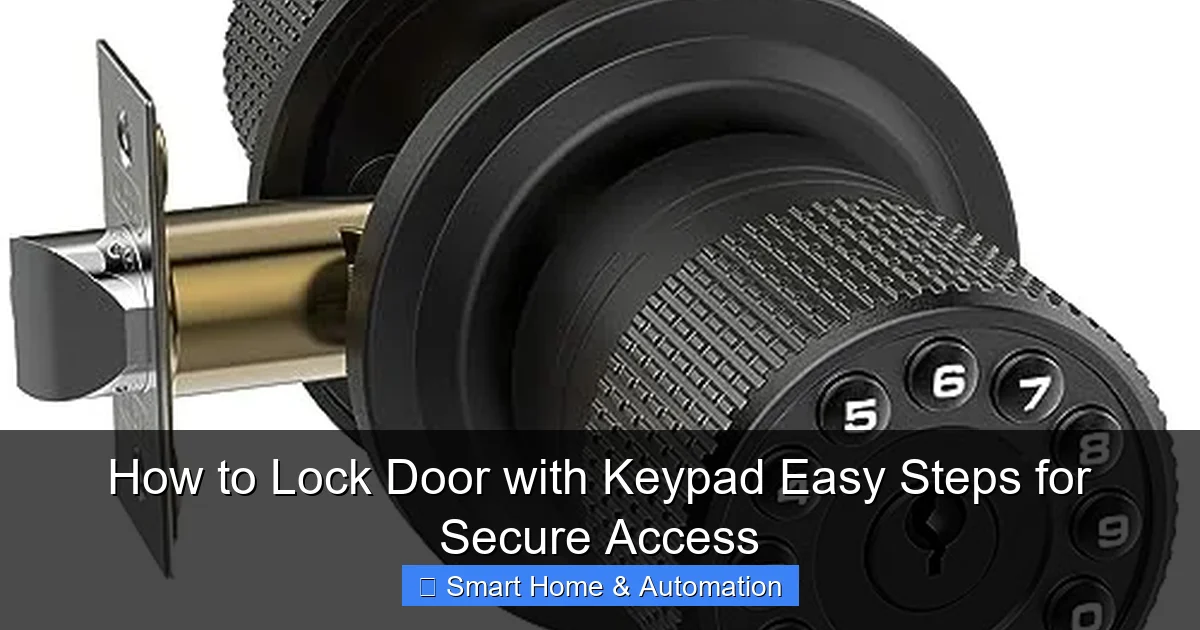
Visual guide about How to Lock Door with Keypad Easy Steps for Secure Access
Image source: m.media-amazon.com
Types of Keypad Locks
- Standalone electronic locks: Battery-powered and easy to install; they don’t connect to Wi-Fi.
- Smart keypad locks: Connect to your home network and allow remote access and integration.
- Mechanical push-button locks: No batteries required but less flexible with codes.
Consider These Features
- Compatibility: Make sure the lock fits your door’s thickness and lock prep.
- Power source: Battery life and backup options.
- Security rating: Look for ANSI/BHMA grades for durability.
- Access control: Number of user codes supported, temporary codes, and audit trails.
For more on how smart locks improve overall home access control, you can check out our detailed article on how smart locks improve home access control.
Step 2: Gather Tools and Prepare Your Door
Most keypad locks come with a template and installation hardware, but you’ll need a few tools:
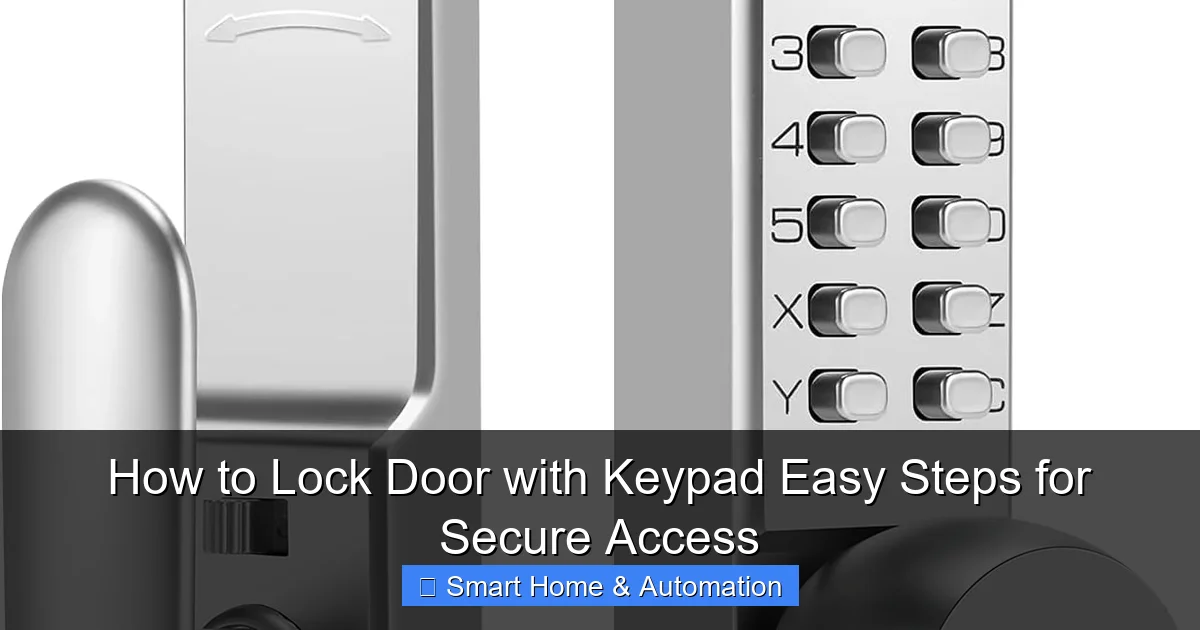
Visual guide about How to Lock Door with Keypad Easy Steps for Secure Access
Image source: m.media-amazon.com
- Screwdriver (usually Phillips head)
- Drill with bits (if new holes are needed)
- Measuring tape
- Chisel (if you need to adjust the door jamb)
Before installation, remove any existing lock hardware and clean the door surface. Check the door’s edge and face to ensure the keypad lock will fit.
Step 3: Install the Keypad Lock
Follow these steps carefully to install your keypad lock securely.
Step 3.1: Mark and Drill Holes
- Use the installation template included with your lock to mark drill points on the door.
- Drill holes for the lock cylinder and latch as indicated.
- Ensure holes are clean and smooth to allow easy lock installation.
Step 3.2: Install the Latch
- Insert the latch into the door’s edge and secure it with screws.
- Make sure the latch moves freely without sticking.
Step 3.3: Attach the Keypad and Inside Assembly
- Place the exterior keypad unit on the outside of the door, aligning it with the latch.
- Attach the interior mounting plate.
- Connect any wiring or battery packs as per your lock’s instructions.
- Secure the interior assembly with screws.
Step 3.4: Test the Mechanical Function
- Before programming, check that the deadbolt or latch locks and unlocks smoothly using the keypad and manual thumb turn.
Step 4: Program Your Keypad Lock
Programming your keypad lock is essential for creating secure access codes and managing users.
Step 4.1: Access Programming Mode
- Refer to your lock’s manual to enter programming mode—usually by entering a factory default code or pressing a button sequence.
Step 4.2: Set Master Code
- Create a master code that controls the lock’s programming functions.
- Choose a strong code that is easy for you to remember but hard for others to guess.
Step 4.3: Add User Codes
- Program individual user codes for family members, friends, or service providers.
- Many locks allow temporary codes for guests or deliveries.
Step 4.4: Test All Codes
- Test each code to ensure the lock opens and locks correctly.
Step 4.5: Lockout and Reset Features
- Familiarize yourself with your lock’s lockout protection (e.g., after multiple wrong attempts).
- Know how to reset the lock in case you forget codes or need to reprogram.
Step 5: Maintain Your Keypad Lock
Regular maintenance keeps your keypad lock working smoothly and securely.
- Check batteries: Replace batteries at least once a year or when low battery alerts appear.
- Clean keypad: Wipe the keypad with a soft cloth to keep buttons responsive.
- Update codes: Remove old or unused codes regularly to maintain security.
- Inspect mechanical parts: Lubricate the latch or deadbolt with graphite or recommended lubricant.
Troubleshooting Common Keypad Lock Issues
Lock Not Responding to Codes
Check battery power first. Replace batteries if needed. Make sure you are entering the correct code and in programming mode if required.
Keypad Buttons Sticking or Not Responding
Clean the keypad gently with a damp cloth. Avoid harsh chemicals. If the problem persists, consult the manufacturer.
Lock Won’t Engage or Disengage
Inspect the latch and strike plate alignment. Adjust if misaligned. Lubricate mechanical parts if they feel stiff.
Forgot Master Code
Reset the lock according to the manual’s instructions. Usually involves a physical reset button or removing batteries temporarily.
Enhance Your Security: Integrate Your Keypad Lock with Smart Home Systems
Many keypad locks support integration with smart home hubs or apps. This lets you control lock access remotely and monitor entry logs.
For detailed guidance on combining keypad locks with existing systems, see our article on how to integrate smart locks with existing systems.
Also, if you are interested in keyless entry for vehicles, you might find useful tips in our guide about how to unlock car with smart key inside.
Conclusion
Locking your door with a keypad is an excellent way to improve home security and convenience. By choosing the right lock, properly installing it, programming user codes, and maintaining the system, you can enjoy keyless access that is both secure and user-friendly. Remember to troubleshoot minor issues promptly and consider integrating your lock with smart home devices for added control. Start today to make your home safer and smarter!
🎥 Related Video: How to make Keypad Door Lock with Arduino
📺 JV TECH
How to make Keypad Door Lock with Arduino.