

Keypad door locks offer a convenient and modern way to secure your home. This guide explores the safety of these locks, highlighting their security benefits and potential risks. Learn how to effectively use, maintain, and troubleshoot keypad locks for peace of mind.
Key Takeaways
- Convenience and control: Keypad door locks eliminate the need for physical keys, providing easy and quick access.
- Enhanced security features: Many keypad locks include features like auto-locking, alarm systems, and temporary codes.
- Potential vulnerabilities: Risks include code guessing, hacking, and mechanical wear.
- Regular maintenance is crucial: Updating codes and batteries helps ensure continued security and functionality.
- Integration options: Keypad locks can often be integrated with existing smart home systems for enhanced control.
- Choosing the right lock matters: Opt for models with strong encryption and tamper-resistant designs.
- Understanding limitations: Combining keypad locks with other security measures increases overall home safety.
Introduction: Are Keypad Door Locks Safe?
Keypad door locks have become a popular choice for homeowners seeking convenience and modern security. But many wonder, are keypad door locks safe? In this guide, you’ll learn everything about the safety aspects of keypad locks, including their benefits, risks, maintenance tips, and how to choose the right one for your home security needs.
Step 1: Understanding Keypad Door Locks
What Are Keypad Door Locks?
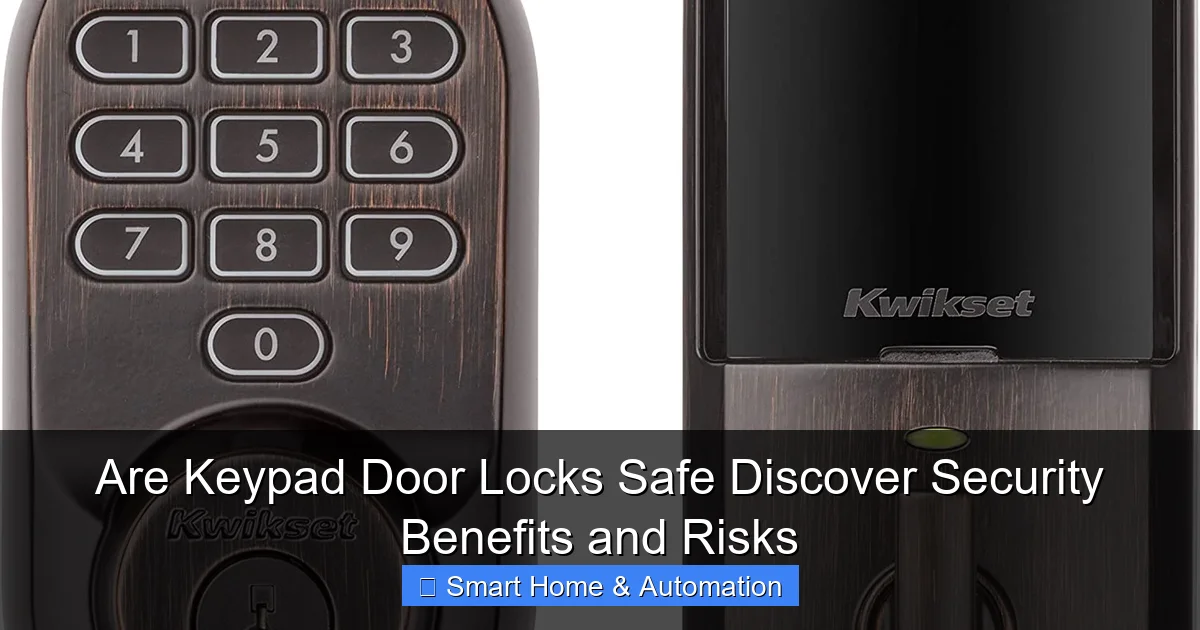
Keypad door locks use a numeric code entered on a keypad to unlock the door. They replace traditional keys, allowing users to enter a code instead of carrying physical keys. Some models are standalone, while others integrate with smart home systems.
Visual guide about Are Keypad Door Locks Safe Discover Security Benefits and Risks
Image source: ratedlocks.com
Types of Keypad Locks
- Standalone electronic locks: Operate independently with battery power.
- Smart keypad locks: Connect to Wi-Fi or Bluetooth, allowing remote control via smartphone apps.
- Mechanical keypad locks: Use manual dials or push buttons without electronics.
Step 2: Security Benefits of Keypad Door Locks
Convenience and Keyless Entry
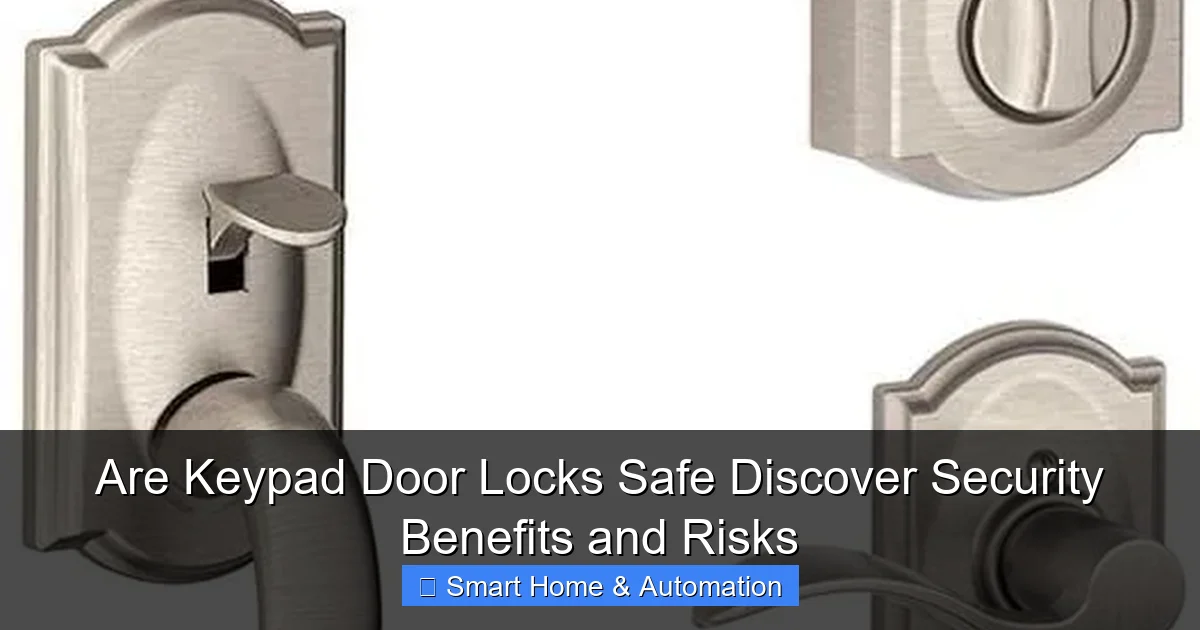
One of the biggest advantages is that you don’t need to carry keys. This reduces the risk of lost or stolen keys, which is a common security concern.
Visual guide about Are Keypad Door Locks Safe Discover Security Benefits and Risks
Image source: ratedlocks.com
Customizable Access Codes
You can set multiple codes for family members, guests, or service providers. Many locks allow you to create temporary codes that expire after use.
Advanced Security Features
- Auto-locking: Doors lock automatically after a set time.
- Alarm systems: Some locks alert you if someone tries to tamper with them.
- Audit trails: Smart locks can log who enters and when, enhancing access control.
Step 3: Potential Risks and Vulnerabilities
Code Guessing and Shoulder Surfing
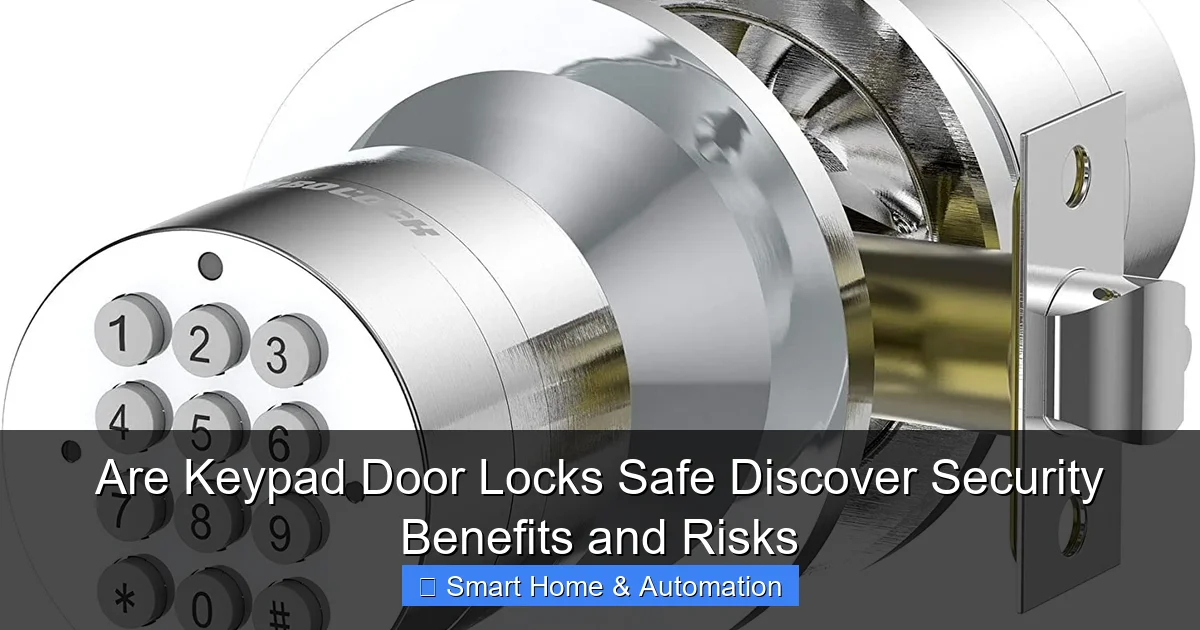
Anyone watching you enter your code might learn it. Also, simple or common codes can be guessed easily.
Visual guide about Are Keypad Door Locks Safe Discover Security Benefits and Risks
Image source: ratedlocks.com
Hacking and Electronic Failures
Smart keypad locks that connect to Wi-Fi or Bluetooth might be vulnerable to hacking if not properly secured. Additionally, electronic components can fail or run out of battery.
Mechanical Wear and Damage
Mechanical keypad locks can wear down over time, making buttons less responsive or easier to manipulate.
Step 4: How to Choose a Safe Keypad Door Lock
Look for Strong Encryption and Security Protocols
If you opt for a smart lock, make sure it uses advanced encryption standards to protect data transmissions.
Check for Tamper Resistance
Choose locks with features such as anti-tamper alarms, reinforced housings, and automatic lockout after multiple failed attempts.
Consider Integration with Existing Systems
For added security, select locks that can integrate with your home’s existing smart security system. To learn more, check out our guide on How To Integrate Smart Locks With Existing Systems.
Step 5: Installation and Setup Best Practices
Follow Manufacturer Instructions Carefully
Proper installation is key to security. Improperly installed locks can be easy to bypass.
Set Strong, Unique Codes
Avoid simple codes like “1234” or birthdays. Use a random sequence and change it regularly for better security.
Limit Code Sharing
Only share codes with trusted individuals. Use temporary codes for guests or service providers and delete them afterward.
Step 6: Maintaining Your Keypad Door Lock
Regularly Update Access Codes
Change your codes every few months or immediately if you suspect they’ve been compromised.
Replace Batteries Promptly
Dead batteries can lock you out or disable security features. Keep spares on hand and replace batteries before they die.
Perform Routine Checks
Test the lock regularly to ensure it locks and unlocks smoothly. Clean the keypad to prevent wear or sticking.
Step 7: Troubleshooting Common Issues
Lock Not Responding or Dead
- Replace or recharge batteries.
- Reset the lock following the manufacturer’s instructions.
Code Not Working
- Verify you are entering the correct code.
- Check if the lock has a lockout mode after too many failed attempts.
- Reset or reprogram the code if necessary.
Connectivity Problems (Smart Locks)
- Ensure Wi-Fi or Bluetooth is functioning properly.
- Restart your smart lock and smartphone app.
- Update firmware and app software regularly.
Step 8: Enhancing Overall Home Security
While keypad door locks add a strong layer of protection, combining them with other security measures improves safety. Consider security cameras, motion sensors, and alarm systems.
To understand how keypad locks fit into a bigger security plan, explore our article on How Smart Locks Improve Home Access Control.
Conclusion: Are Keypad Door Locks Safe?
Keypad door locks are generally safe and offer excellent convenience and control. However, their security depends on proper installation, choosing quality products, and regular maintenance. Understanding their risks and benefits helps you make informed decisions and keep your home secure. For best results, combine keypad locks with other smart home security tools and stay vigilant.
🎥 Related Video: Smart locks: Are they safe? What you need to know! | Asurion
📺 Asurion
You may already know about all the cool things smart locks can do but do you know why and how they are safe? Nate, an Asurion …